 Sorrento City Guidebook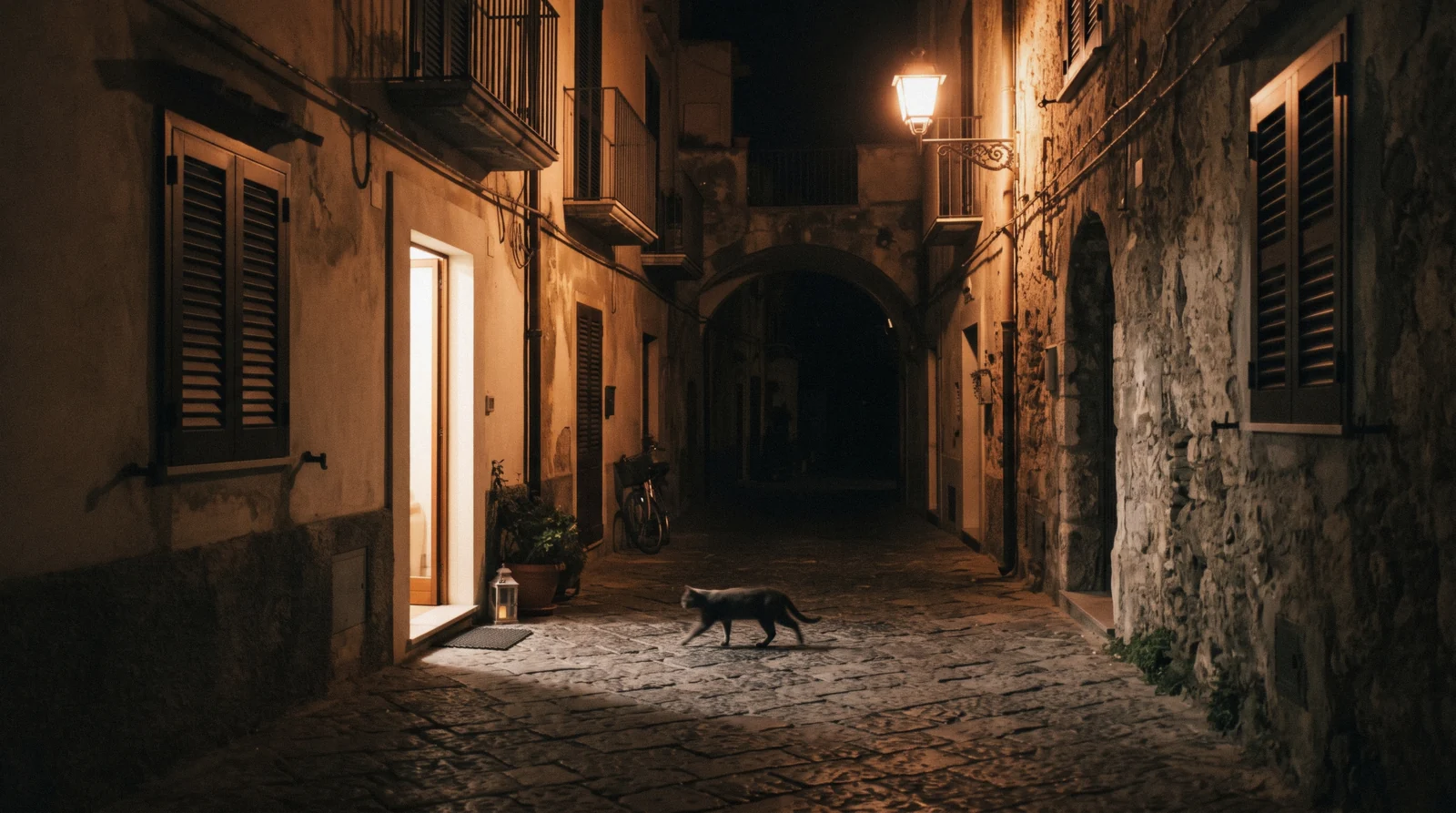
Is Sorrento safe? The calm, specific answer
Is Sorrento safe? Yes, in the way that matters for planning: this is a low-violence resort town where the realistic threats to a visitor are practical rather than criminal, and the scams that do run are the small, visible kind this page names. Sorrento safety is less about dark alleys than about cliff edges, scooter traffic, summer heat and the long climb between the plateau and the ports, and the honest treatment of each sits below. We print no invented crime numbers, route the one heavy transport-safety question to the page that owns it, and end with the numbers worth keeping in a pocket, from the 112 emergency line to the tourist office desks.
Quick answer The one-paragraph answer, the scams that actually run, the risks that actually bite
Sorrento is a safe town by the measures a visitor can act on: violent crime against tourists is rare, the centre stays busy and lit late into the evening, and the risks that actually send people to the farmacia are practical ones, chiefly cliff edges, rocky swimming platforms, scooter traffic and heat. The street scams that operate are petty and predictable: menus without prices, the cover charge surprise, and the rose sprig pressed into your hand.
Key takeaways
- The named scams, and the ten-second door check that defeats the menu ones, are in the scams table below
- The Circumvesuviana train has its own safety debate, and we answer it on the Circumvesuviana safety page rather than here
- Emergency services across Italy sit behind one number, 112, and the emergency and farmacia section carries the addresses and phones worth saving
The honest safety picture
Start with what the town is: a resort built around tourism, on a plateau, with a pedestrianised heart, two small ports and a single main road along the cliff. The travel-safety pages that rank for this question converge on the same shape of answer, and so does the structure of the town itself. Violent crime against visitors is not the pattern here; the risk that concentrates in the busy streets, above all around Piazza Tasso at the height of the day, is pickpocketing, the same opportunism that operates in every crowded Italian square. A zipped bag carried in front of you on the square is the whole countermeasure.
We print no crime statistics on this page, and the omission is deliberate: none of the sources a traveller can verify break Sorrento out as a single town with tourist-specific numbers, and a page that quoted a city-level figure for a resort of this size would be dressing an invention as data. What can be said honestly is what the sources agree on and what the town's own layout shows: the centre is crowded, surveilled and walkable late into the evening, the marinas quiet down early, and the areas where caution is the right instinct are the traffic, not the people.
The one transport question that genuinely divides travellers, whether the Circumvesuviana commuter train is safe, has its own page on this site because it deserves its own answer rather than a paragraph of reassurance. Read the Circumvesuviana safety page for the crowded-carriage reality and the practical habits that defuse it.
A note on honesty that belongs here rather than in a footnote: Sorrento's safety reputation is partly a product of comparison. The peninsula's roads are its most dangerous element, and the town is the place where you are least likely to be on one. Basing in Sorrento and reaching the coast by ferry, or by bus with a licensed driver, removes the riskiest hour of a coast holiday entirely; the getting around page carries the fares.
Street scams and how they run
Sorrento's scam economy is small, seasonal and predictable, which is good news: predictable scams have fixed counters. Three patterns account for nearly everything a visitor will meet, and none of them involves force. The table names each one, how it actually plays out on the street, and the move that ends it. The deepest defence is a habit rather than a trick: Italian law requires bars and restaurants to display a price list at the entrance, so the ten-second door check before you sit is the only price verification that exists, and using it is normal practice, not paranoia.
The cover charge deserves its own word before the table, because it trips more visitors than the scams do. The coperto, the cover charge, is a legal and standard line on Italian restaurant bills, a per-person charge for bread, table setting and service that sits beside the service charge rather than duplicating it. The charge itself is not a scam; the scam-shaped version is the menu that does not print it, and the bill that arrives carrying it anyway. That is why the door check includes scanning for the words coperto and servizio as much as for the dish prices.
The three named patterns with their counters; none of these carries a fixed fine or fee, and the ones that cost money are meals, not tickets, which is why the door check is the whole defence.
| The pattern | How it runs | The counter |
|---|---|---|
| The no-price menu | A waiter or a chalkboard offers the day's dishes without printed prices; the bill then prices them generously | Ask for the printed list before ordering, or walk; the law requires a displayed price list at the entrance |
| The coperto surprise | The printed menu omits the cover charge and the bill adds a per-person line at the end | Scan the door menu for coperto and servizio before sitting; the charge is legal, the omission is the tell |
| The rose sprig | Someone presses a sprig or a small gift into your hand or your child's, then asks for money | Accept nothing from strangers on the street; if it lands in your hand, hand it back and keep walking |
Two habits cover the rest of the small stuff. Keep bags zipped and in front of you in the densest crowd, the square at midday, because a pickpocket works where movement stops. And photograph the menu or the price board when you order at terrace bars, not as evidence but as memory: the delta between the standing price at the bar and the seated price on the square is the town's steepest drink surcharge, and it is charged honestly, but it surprises people who did not look.
The where to eat page carries the dining-street comparison, and the costs page itemises what meals actually run.
The practical risks: cliffs, roads, sea and heat
Ask what actually injures visitors on this peninsula and the answer is not crime but geography and traffic. Four risks are worth naming precisely.
The cliff edges. The town sits on a tuff plateau, and its gardens and viewpoints end where the rock does. The belvedere terraces are railed; the paths between them are not always. Hold children's hands along the garden edges, treat the low walls above Marina Grande and the gorge viewpoints as edges rather than seats, and stay off the cliff paths after dark. The Vallone dei Mulini is best photographed from its bridge, not beside it.
The roads and the scooters. The SS145 and the coast roads carry fast, tight traffic, and the scooter is the local unit of motion. Visitors riding scooters for the first time on these roads, on the wrong side of a foreign highway code, produce the season's most reliable ambulance runs. Renting one is a decision the car question page treats honestly; crossing the coast roads on foot means using the crossings even when the gap looks small, because the road through town narrows and accelerates between the squares.
The sea's edges. The swimming here happens off rock platforms and lido piers, which means two things the sand-swimmer does not expect: entry points that are ladders and ledges rather than shelves, and sea urchins on the rocks below the waterline. Swim shoes solve the second, and entering where the lidos clear the first is the whole trick. The beaches page compares the platforms; the cliff-jumping that the coast's coves invite is where the season's broken ankles come from.
The heat and the climb. July and August afternoons push the plateau into the high thirties on the exposed streets, and the town's vertical geography means every descent is paid for on the way back up. The stairs between the centre and the marinas are the classic underestimation: the walk down to the water feels free, the walk back up in the afternoon sun does not. Carry water, use the lift at the Villa Comunale for the ferry pier, and give the harbour climb to the morning. The best time to visit page maps the months when heat stops being a footnote.
Sorrento at night
The evening is when Sorrento's safety argument is at its strongest, because the town does not empty the way a day-village does. The passeggiata fills Corso Italia after dinner, the bars around Piazza Tasso run until late, and the walk between restaurant and hotel stays inside a lit, busy grid for almost any address in the centre. The parts of town where the evening changes character are the vertical ones: the marina roads and stair paths thin out after the last ferries and restaurants close, and the cliff paths are unlit enough that the advice is simply not to take them at night. A taxi back from the harbour costs a few euros and removes the only genuinely dark walk in town; the getting around page carries the taxi stands.
Two night-specific notes worth having. The train station area at the east end of Corso Italia goes quiet when the last Circumvesuviana services arrive, and the walk from it into the centre is short and lit, but the arrival itself is better at a busier hour; the arrival page carries the schedules. And the beach clubs and lidos that line the water close their gates at dusk, which makes the after-dark swim, however inviting the warm water looks, a bad idea on rock platforms with no lifeguard and no light.
Solo and female traveller notes
Sorrento is a common first solo trip to Italy, and the practical picture supports that choice: a walkable centre, busy evenings, a tourist infrastructure that answers questions, and the two official information desks in town when anything needs solving in person. The harassments that solo women report from bigger Italian cities are rarer here; the street trade is lemons and ceramics rather than attention. The habits that matter are the universal ones plus two town-specific ones. Take the taxi for the vertical walks at night rather than the stairs, because the dark path is the only genuinely uncomfortable walk in the centre. And book the boats and the coast days with named operators rather than the port-side touts, not because the touts are dangerous but because a named operator is the difference between a refund policy and a shrug when the weather turns; the boat tour page lists the established ones.
The same logic covers solo travellers generally. The town's real solo-traveller trap is not a person but a plan: the itinerary that depends on the last ferry or the last coast bus, missing it, and facing the expensive taxi. Build the day so the return leg has a fallback, and the solo Sorrento trip is as easy as the guidebooks promise.
Emergency numbers and the farmacia
Italy runs its emergency services behind the single European number, 112, free from any phone, fixed or mobile, and it reaches police, ambulance and fire. Save it before you need it, and note that operators may not speak English on the line; the emergency phrase worth carrying is the address first, everything else second. For visitors, the useful geography is that the town is small: from the centre, an ambulance from the peninsula's services is minutes, not quarters of an hour.
For everything short of an emergency, the farmacia is the Italian institution that works. Pharmacies display the green cross, the pharmacist is a licensed medical professional who can triage, and the one on the main street handles the season's standard cases: sunburn, the scooter scrape, the stomach that disagreed with the seafood. For the beach days, the lidos fly the flag system for sea conditions, and respecting the red flag is the single most visit-saving rule on this page.
Two official desks round out the pocket list. The IAT tourist information office sits at Via Luigi De Maio 35 in the Circolo dei Forestieri, phone +39 081 807 4033, and a second info point runs at Piazza Sant'Antonino 1 in the town hall, phone +39 081 533 5111. Both are the right doors for lost property, official questions and the maps the town actually publishes.
The pocket directory for the town, each line from an official source or the operator's own page, read on 12 September 2026; the pharmacy rotation address changes nightly, so the green cross on the spot is the address for that one.
| Contact | Where or number | What it is for |
|---|---|---|
| Emergency services | 112, free from any phone | Police, ambulance and fire across Italy |
| IAT tourist information | Via Luigi De Maio 35, +39 081 807 4033 | Official questions, maps, lost property |
| Town hall info point | Piazza Sant'Antonino 1, +39 081 533 5111 | The second official desk, in the Comune building |
| NLG ticket office | Marina Piccola, +39 081 807 1812, 07:00 to 19:00 | Ferry tickets and the reduced-mobility boarding questions |
| Farmacia | The green cross, nearest one on the main street | Triage, sunburn, minor injuries; night rotation varies |
The honest tap-water note belongs here, because visitors ask it as a safety question: the town's mains water is potable, and Sorrento's council has mapped its public drinking fountains, fourteen of them plus three refill houses at Casarlano, Via degli Aranci and Marina Piccola, with the map downloadable from the municipal services company and available at the info points. The practical rule is the Italian one: drink from a fountain unless it carries the words acqua non potabile, and then do not.
Safety on the water and the boat days
The sea is the town's best day and its most underestimated risk surface, so it gets its own section. The swimming here is from lido platforms, harbour ladders and the coves the boat tours reach, which means deep water close to the edge, entries by ladder rather than wade, and rock below the waterline that hosts the urchins. The counters are unglamorous: swim shoes on the feet, entry where the lidos and the crews clear it, and no evening swimming on an unlit platform after the clubs close. The lidos fly the flag system for sea state and the rule is absolute, red means out, because the same swell that closes the grottos on Capri turns a platform ladder into a bad place to be.
The boat days have their own pattern of small trouble, and all of it is weather-shaped. The gulf roughens with the wind turns, and when it does, the operators reroute, delay or cancel; the tour pages on this site carry the operators' stated cancellation deadlines precisely because that refund policy is the difference between a scrubbed morning and a scrubbed fee. Book with named operators, read the deadline before paying, and treat the port-side tout's discount as the moment the policy disappears. On board, the crew's instructions about moving seats, the bow spray and the lifejackets are the whole safety system; the front rows of the fast boats take spray in a chop, and small children sit aft where it is drier.
One last water note that is not about swimming: the piers themselves. The fast boats load over gangways that move with the swell, the surface is wet metal, and the rush to board the first ferry of the morning produces the season's sprained ankles. Board early, unhurried, and the pier is harmless.
How the risks move with the season
The risk picture is not flat across the year, and the month you visit changes which parts of this page matter.
July and August concentrate everything: the heat that turns the harbour climb into a medical event, the crowds that give the pickpocket his working conditions, the fullest boats and the warmest sea. The safety strategy for a peak-summer visit is timing rather than avoidance, the mornings and late afternoons for the climbs and the squares, and the best time to visit page maps the shoulder months that dilute all of it.
June and September are the balanced months: the sea is swimmable, the platforms are staffed, the heat is honest rather than punishing, and the queues at the ferry office shrink to human length. The scams follow the crowd sizes, so the shoulder season thins them too.
October to April changes the character of the risks entirely. The swimming season closes, the cliff paths are wet with rain, the days shorten until the evening walk is a lit-street affair, and the sea state matters more than the temperature because the ferries to Capri run their winter timetables and cancel in rough weather. The town itself stays safe; the water stops being a playground and becomes scenery.
The one constant across all twelve months is the road. The scooter traffic does not seasonally diminish, the coast road does not widen, and the pedestrian's rule, crossings where painted, eyes up, holds in February exactly as it holds in August.
The boring safety that actually protects you
The safety measures that do the real work on a Sorrento trip are the unphotogenic ones, so they get a plain list.
Documents. Carry a photo of the passport and the travel insurance policy on the phone, leave the originals in the room safe, and keep one card and a little cash in a front pocket rather than a bag. The town is safe enough that this is generous, not paranoid, and the one time it matters it matters completely.
Money. Contactless works nearly everywhere in town, which shrinks the cash question to the market stalls and the smallest bars. The ATM note worth knowing is positional rather than paranoid: use machines attached to banks on the main street in daylight, and never accept the help of a stranger who materialises at a machine, because that pattern is universal and Sorrento is not an exception.
The phone. The 112 number saved as a favourite, the hotel's address saved as a map pin for the taxi, and a charged battery for the day out, because the ferry pier, the train station and the garage all become easier problems with a phone that still works.
The booking trail. Keep the ferry, tour and transfer confirmations in one place, email or app, because the weather-cancellation argument in the section above is won or lost on which company's deadline you actually agreed to. The boat tour page and the arrival page both carry the named operators whose paperwork is worth keeping.
None of this list is Sorrento-specific, which is the point: the town asks for the same boring competence as any resort, and it rewards it with exactly the low-drama holiday the brochures promise. When the town part of the plan is settled, the Sorrento city guide front page keeps the rest of the site one click away.
Tours that remove the riskiest hours
The safety-adjacent bookings that actually earn their place: licensed drivers for the coast roads, guides for the ruins and the town, and the door-to-door transfer that removes the arrival drive; listed prices read on 12 September 2026. Every card links to the operator's own page.
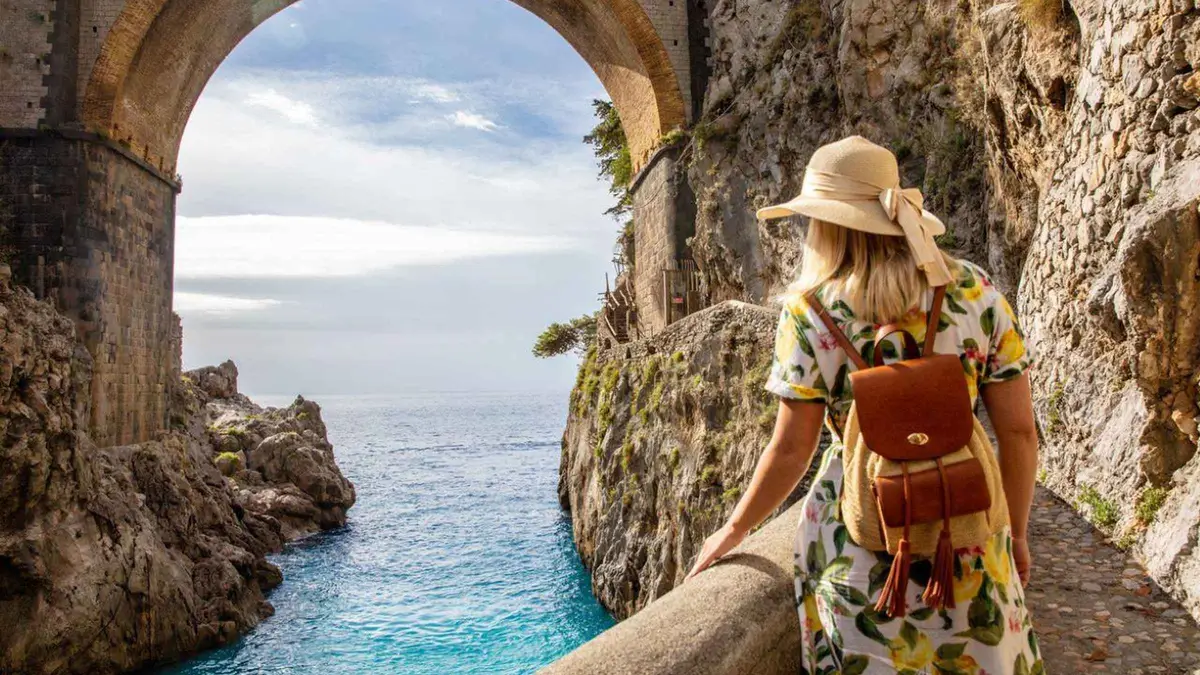 from $145
From Sorrento: Positano, Amalfi & Ravello Amalfi Coast Tour
A small-group road day through Positano, Amalfi and Ravello with a guide. The three-town option for one day.
Check Availability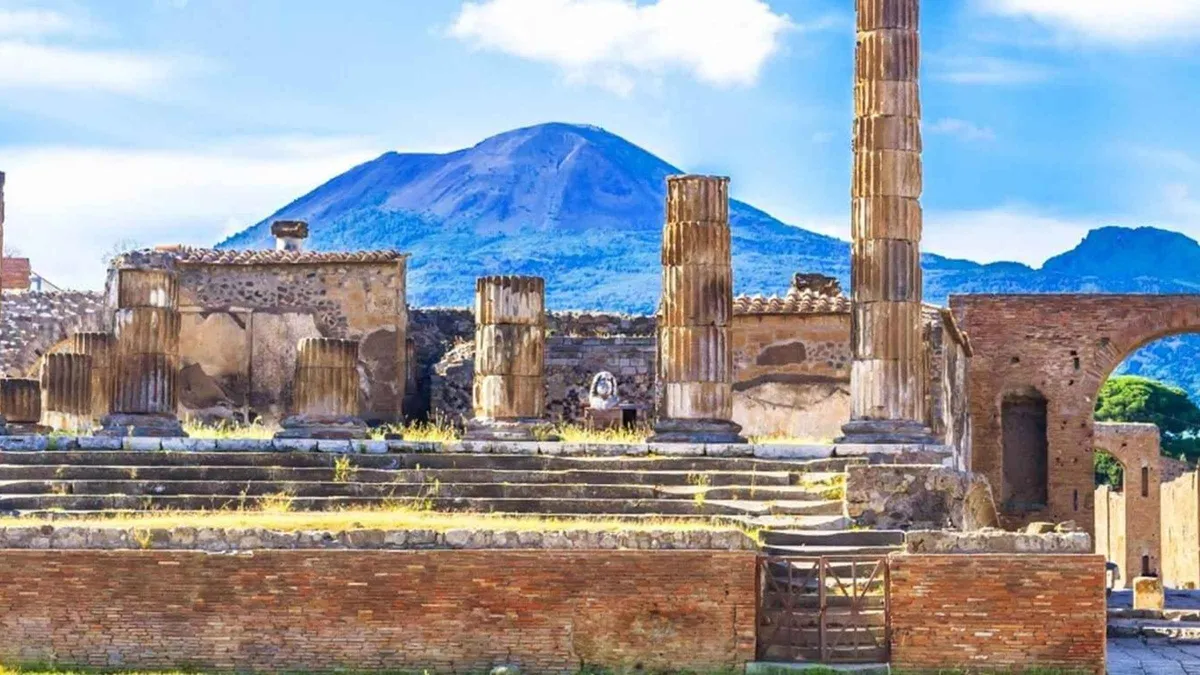 from $142
Sorrento: Pompeii and Mount Vesuvius Day Trip with Guide
A guided Pompeii + Vesuvius day by coach with a licensed guide at both stops. The classic pairing in one day.
Check Availability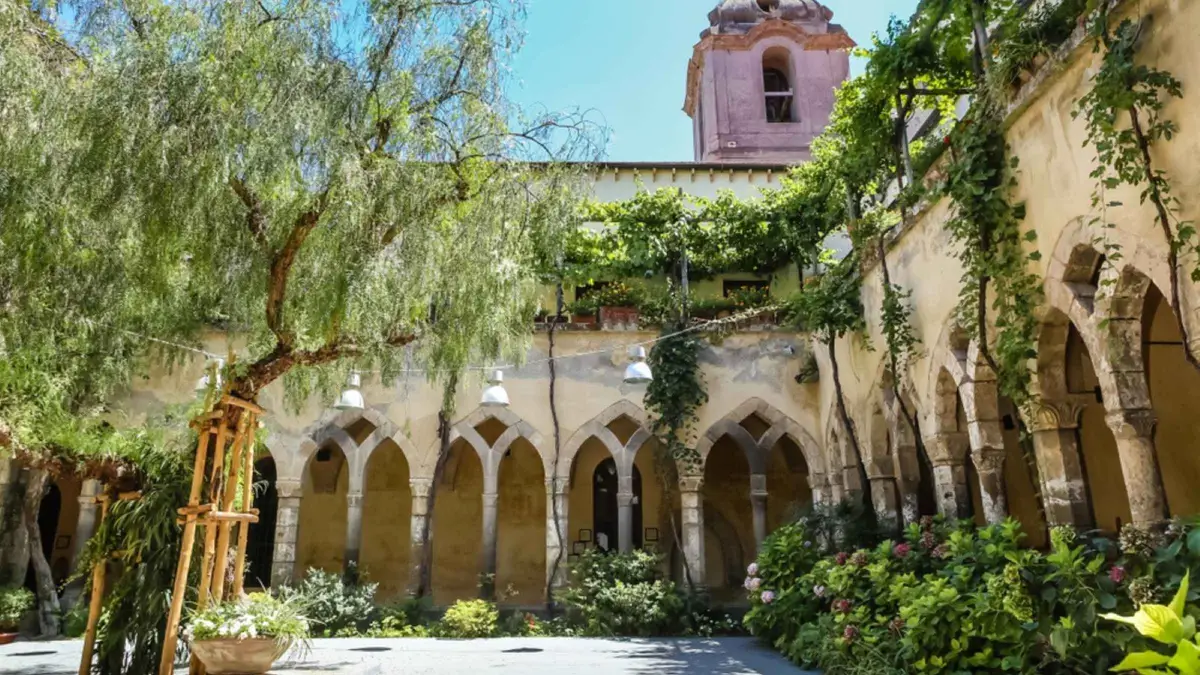 from $41
Sorrento: Walking Tour with Olive Oil and Limoncello Tasting
A two-hour private walk through the old town with olive oil and limoncello tasting stops.
Check Availability from $46
Sorrento: Shared Transfer to Naples Airport or Train Station
A shared shuttle between Sorrento and Naples airport or train station, about two hours door to door.
Check AvailabilityPrices, ratings and details are the platform's own, checked in Q3 2026; dollar figures are the listed prices — the platform bills in your account's currency.
Where the safety question goes next
Three pages carry the topics this page routes out: the train question, the roads and the season.
Is the Circumvesuviana safe
The commuter train to Naples and Pompeii has a reputation and a reality; this page separates them with habits that work.
The one heavy transport questionGetting around Sorrento
Every transport leg priced and timed, so the day plans can lean on buses and boats instead of the cliff roads.
The roads, buses and ferriesDo you need a car in Sorrento
The honest case against driving the peninsula, and the exceptions where the car earns its garage bill.
The driving decisionSorrento safety: questions
Is Sorrento safe for tourists?
Yes, by the measures a visitor can act on: violent crime against tourists is rare, the centre is busy and lit into the night, and the risks that actually bite are practical, chiefly cliff edges, rocky swimming entries, scooter traffic and heat. The scam layer is petty and named in the table above, and the pocket number is 112. The town's one contested transport question is answered on the Circumvesuviana page.
Is Sorrento safe at night?
The centre is, and the evening is the town at its best: the passeggiata on Corso Italia, the bars on the square, restaurants open late. The exceptions are vertical rather than criminal, the stair paths and marina roads that thin out after the last ferries, and the unlit cliff paths. Take the taxi back from the harbour and the night is uneventful by design.
What scams should I watch for in Sorrento?
Three named patterns run here: menus without printed prices, the cover charge that was omitted from the menu, and the rose sprig pressed into the hand followed by a request for money. All three are defused by the same two habits, the ten-second price check at the door and accepting nothing from strangers on the street. The table above spells out each counter.
What is the coperto on a Sorrento restaurant bill?
The coperto is the per-person cover charge for bread, table setting and service, and it is legal and standard across Italy; it sits beside, not instead of, any service charge. The dishonest version is the menu that fails to print it. Scan the door menu for coperto and servizio before you sit, and the bill will hold no surprises.
Can you drink the tap water in Sorrento?
Yes: the mains water is potable, and the town council has published a map of its fourteen public drinking fountains plus three refill houses at Casarlano, Via degli Aranci and Marina Piccola, downloadable from the municipal services company and available at the info points. The Italian rule of thumb applies: drink unless a fountain is marked acqua non potabile.
Is Sorrento safe for a solo female traveller?
It is a common and workable first solo trip to Italy: walkable, busy in the evenings, with official info desks when something needs solving. The two town-specific habits are taking the taxi instead of the dark stair paths at night and booking boats with named operators so a weather cancellation comes with a policy rather than a shrug.
What do I do if something goes wrong in Sorrento?
Call 112, the single European emergency number, free from any phone, for police, ambulance or fire. For everything short of that, the farmacia with the green cross is the licensed first stop, the IAT tourist office at Via Luigi De Maio 35 handles official questions and lost property, and the lido flags govern the sea state on beach days.
Safety And Scams on film
Three walk-throughs verified on YouTube: what the place actually looks like before you book anything.
Tourist Scams in Italy: Avoid These Sneaky People!
Verified via oEmbed (Karl Rock); matched query 'is sorrento safe scams'.
Video: Karl RockAvoid These 9 Tourist SCAMS In Italy!
Verified via oEmbed (Naick & Kim); matched query 'is sorrento safe scams'.
Video: Naick & KimItaly's 16 Tourist SCAMS in 3 Minutes!
Verified via oEmbed (WRDfiv); matched query 'is sorrento safe scams'.
Video: WRDfivVideos load from YouTube only when you press play.
Reviewed Q3 2026 (July–September 2026); next review Q4 2026. Prices, hours and terms are set by the venue or operator and confirmed at checkout.
We may earn a commission if you book through one of our links, at no extra cost to you. Full affiliate disclosure