 Sorrento City Guidebook
The best time to visit Sorrento: seasons, ferries and crowds (2026)
The best time to visit Sorrento is a wider window than the town's own marketing suggests: late May to June and the whole stretch from September into October, when the climate numbers, the ferry calendar and the crowd wave all agree. This page builds that verdict from two datasets rather than from mood: thirty years of daily climate readings computed for the Sorrento cliff edge, and the 2026 ferry calendar that defines when the coast is actually reachable. The best time to visit Sorrento also has a hard edge worth knowing before booking: the premium Campania Express train is suspended from 1 October 2026, and the town's one paid museum goes dark every winter, so the month you pick changes the itinerary, not just the weather.
Quick answer The month we would pick, the data behind it and the calendar edges that change the answer
The best months are late May, June, September and October: average highs between 20.6°C (69°F) and 24.4°C (76°F), the sea warm enough to swim, and the full ferry calendar running. The coast season runs 01 April to 03 November 2026, so early April and early November are ferry-limited. July and August bring highs near 28°C (82°F) and the year's biggest crowds. November is the wettest month at 199 mm. From 1 October 2026 the Campania Express train is suspended, so autumn arrivals plan around the ordinary Circumvesuviana.
Key takeaways
- The month-by-month table carries the thirty-year averages for every month, computed from the ERA5 archive for this exact coordinate
- The ferry calendar section explains the 01 April to 03 November season that defines the coast, with the Capri ferry first crossing at 08:30
- For what each month is good at, the one-day itinerary runs the town in any season, and the day trips hub carries the season-bound excursions
Sorrento month by month: the shape of the year
Average daily high temperature by month in Celsius with the Fahrenheit reading underneath, computed from the Open-Meteo ERA5 reanalysis archive for 40.6263 N, 14.3758 E, the Sorrento cliff edge, over 1 January 1995 to 31 December 2024. The bands group the months the way a visit actually experiences them.
Computed on 12 September 2026 from the Open-Meteo ERA5 archive, 1995 to 2024, 10,958 daily records for the Sorrento coordinate; no single season band covers a whole month cleanly, so the bands describe the dominant character of each month.
Sorrento weather by month: the thirty-year averages
Thirty-year monthly averages from the Open-Meteo ERA5 reanalysis for 40.6263 N, 14.3758 E, 1 January 1995 to 31 December 2024, computed on 12 September 2026; rain is the average monthly total and rainy days count days with at least 1 mm.
| Month | Average high | Average low | Rain | Rainy days |
|---|---|---|---|---|
| January | 12.1°C (54°F) | 7.8°C (46°F) | 141 mm | 12.7 |
| February | 12.4°C (54°F) | 7.7°C (46°F) | 114 mm | 11.4 |
| March | 14.1°C (57°F) | 8.9°C (48°F) | 115 mm | 11.5 |
| April | 16.8°C (62°F) | 11.3°C (52°F) | 82 mm | 11.3 |
| May | 20.6°C (69°F) | 15.0°C (59°F) | 70 mm | 8.9 |
| June | 24.8°C (77°F) | 19.0°C (66°F) | 30 mm | 5.1 |
| July | 27.6°C (82°F) | 21.8°C (71°F) | 17 mm | 3.2 |
| August | 28.0°C (82°F) | 22.3°C (72°F) | 26 mm | 5.2 |
| September | 24.4°C (76°F) | 19.2°C (67°F) | 101 mm | 9.0 |
| October | 21.0°C (70°F) | 16.1°C (61°F) | 124 mm | 10.2 |
| November | 16.8°C (62°F) | 12.6°C (55°F) | 199 mm | 14.3 |
| December | 13.4°C (56°F) | 9.2°C (49°F) | 163 mm | 13.7 |
The same dataset backs the chart above; the monthly mean hides the daily spread, so a warm week in March or a cold snap in May stays possible inside these numbers.
What the averages hide
Three things the monthly table flattens, and each one changes a booking. The first is the rain's shape: Sorrento's wet months are not drizzle months but storm months, with November's 199 mm and December's 163 mm arriving in a handful of heavy episodes, which is why a November week can hold two washed-out afternoons and six bright ones. The second is the sea's lag behind the air: the average highs of June at 24.8°C (77°F) already feel like summer on a cliff terrace, but the swimming season the town actually plans around tracks the ferry calendar and the lido openings rather than the thermometer alone.
The third is the wind direction, which no monthly mean records. Sorrento sits on a north-facing cliff over the Bay of Naples, so the town's terraces look at Vesuvius and take the northerly off the water, while the small beaches at Marina Grande catch the afternoon sun and hold the warmth into the evening. That geography is why the same 21°C (70°F) October afternoon reads as warm at the harbour and cool on the Villa Comunale terrace, and why the sunset slot is the part of the day that moves first as the year shortens.
A fourth number the table cannot carry is the crowd, because Sorrento publishes no official monthly visitor counts; what exists instead is the ferry and ship calendar, which is the section below this one, and it is more decisive for planning than any temperature.
A last word on using the table: the averages are computed for the town's coordinate on the cliff, and the microclimates within a few hundred metres are real. The harbour sits lower and warmer, the gorge holds its damp, and the cliff terraces take the wind; a thermometer in Marina Grande and one on the Villa Comunale terrace would disagree on any given afternoon. Plan against the monthly means and pack for the spread.
The ferry calendar defines the season
Sorrento's real tourist season is written by the ferries, not the weather. The high-speed routes to Capri and along the coast to Positano run from 01 April to 03 November 2026 on the NLG calendar, which means the postcard version of the town, the one with the island and the coast villages an hour away, exists for seven months of the year. Outside that window the town still works, the trains to Pompeii and Naples run all year, but the water day is gone and the itinerary that remains is the town's own.
The edges of the season behave differently. Early April and the first days of November are ferry-limited rather than weather-limited: the sea can be calm and the days mild, but the coastal timetable is thin, and the Sorrento to Positano run in particular works around fewer sailings. The Naples line is the most year-round of the sea routes: NLG's 2026 calendar runs a reduced winter service from 17 November 2025 to 31 March 2026, with departures that turn daily from 24 March, before the full summer calendar from 01 April to 03 November.
Two calendar edges sit away from the water. The Correale museum, the town's one paid collection, closes every Monday and the whole stretch from 6 January to 2 April, which thins what a winter day can hold. And from 1 October 2026 the Campania Express premium train is suspended, so the arrival choices from October onwards narrow to the Circumvesuviana and the ferries.
The 2026 season windows from the operators' own calendars, read 12 September 2026; each row links the page that carries the full timetable.
| Route or service | 2026 season window | What changes at the edges | The page that carries it |
|---|---|---|---|
| Ferry to Capri (NLG) | Year-round crossings from Sorrento, first 08:30 | Second daily departure 09:00 only 01 April to 03 November | Capri ferry |
| Ferry to Positano (NLG) | 01 April to 03 November 2026 | No coastal sailing at all in winter; the coast reverts to road | Sorrento to Positano |
| Ferry from Naples (NLG) | Full daily service 01 April to 03 November; reduced winter calendar 17 November 2025 to 31 March 2026 | Winter departures are weekend-heavy until daily service returns on 24 March | Naples to Sorrento |
| Campania Express train | Suspended from 1 October 2026 until further notice | Tickets for dates after 30 September 2026 are affected; the Circumvesuviana replaces it | Getting around |
| Museo Correale | Open Tuesday to Sunday, closed 6 January to 2 April | Winter visits lose the town's one paid collection; the free loop carries the season | Museo Correale |
The shoulder months: the verdict
If one stretch has to carry the whole verdict, it is late May to June. The climate table shows why rather than asserts it: average highs climb from 20.6°C (69°F) in May to 24.8°C (77°F) in June while the rain falls to 70 mm and then 30 mm, the rainy days drop from 8.9 to 5.1, and the ferry calendar is at full strength. The sea has warmed through spring, the lidos are open, and the school-holiday wave has not started. September runs June a close second and wins on the water temperature argument, with a 24.4°C (76°F) average high and the gulf at its warmest for swimming; its cost is the rain's return, 101 mm, usually in rebuildable afternoon episodes.
October is the value month, and the one we would pick for a trip that is mostly about the town plus one or two water days. The average high of 21.0°C (70°F) is walking weather, the queues around the gorge railing and the old town lanes have thinned, and the first three weeks still carry a usable coastal timetable before the 03 November close. The trade is daylight and the calendar edge: sunset arrives early enough to move the Villa Comunale hour forward, and from 1 October 2026 the Campania Express suspension narrows the rail arrival to the ordinary train.
April is the honest also-ran of the window: mild at 16.8°C (62°F) but water-cold and ferry-thin at the edges, and Easter week imports a full crowd wave with it. The verdict in one sentence: pick late May or June for the full season at its calmest, September for the warmest sea, and October if the town matters more than the islands.
August honesty
August is the month the guidebooks warn about, and the data backs the warning with one nuance: the heat is real but manageable, and the crowd is the actual problem. The average high of 28.0°C (82°F) with a 22.3°C (72°F) average low means the nights barely cool, and the town's cliffs hold the day's heat into the terrace hours. Rain is nearly absent, 26 mm on 5.2 days, so the days are reliably dry; the practical schedule is an early start, the gorge railing and the free loop before ten, the harbour or a cooking class through the midday heat, and the sea or the museum after four.
The crowd wave is bigger than the town's own squares show. August is when the cruise call list, the Amalfi Coast coach traffic and the Italian holiday season overlap, and the town's two access points, the Marina Piccola port and the station, both run at capacity. The ferry queues for Capri form before the ticket offices open, the Capri ferry first crossing at 08:30 books solid, and the return pressure at 17:45 is the day's real crush. No official monthly visitor statistics exist to quote here; the pattern is read from the ship schedules and the operators' calendars, and every operator prices August as peak.
The honest case for August exists anyway: everything runs, every route is open, the town is at its most alive after dark, and a trip built around the water rather than the squares, a boat tour day, a coast cruise, the beach clubs, uses August's strengths and hides from its crowds. The case against is simpler: you will queue for the good things, and the good things are busiest exactly when the heat peaks.
Busy is the honest phrasing for what happens here, and the operators' calendars word it peak season: the same weeks price highest, book out first and queue earliest. The town absorbs it better than the coast villages because the squares are wide and the walking is free, but the ferry lines and the restaurant waits are real, and no monthly statistic is needed to feel them.
October specifically, and the suspension
October deserves its own paragraph because its question arrives in search more than any other month's, and because 2026 changes it. The averages: 21.0°C (70°F) high, 16.1°C (61°F) low, 124 mm of rain on 10.2 days, which places it mid-table for rain but behind the November-to-January storm season. The sea holds summer's warmth into the first half of the month, the ferries run their full-season pattern, and the light on the cliffs, low and copper, is the photographer's version of the town.
The 2026 edge is the train. The Campania Express, the premium Naples to Sorrento service that ran $17.39 (€15) one way, is suspended from 1 October 2026 until further notice, so an October arrival plans around the Circumvesuviana at $6.26 (€5.40), roughly seventy minutes from Napoli Garibaldi, or the NLG ferry at $21.40 (€18.50) from the Beverello pier. The Naples to Sorrento page compares the surviving options in detail; the practical effect inside October is only that the premium seat is gone, not the route.
Late October is a different month from early October in everything but the calendar: the coastal timetable thins toward the 03 November close, the rain number climbs, and the town reverts to its resident rhythm. The early-October visitor gets the full season at shoulder prices; the late-October visitor gets the town itself, which is no small prize, but should book the water days for the front of the week.
Winter and the museum gap
December to March is when Sorrento belongs to itself, and the case for a winter visit is more practical than the temperature suggests. The climate numbers are mild for the latitude, 12.1°C (54°F) to 14.1°C (57°F) average highs, and the rain, while heavy in totals, falls in episodes; the squares, the churches and the cloister run on resident time, and the Christmas stretch lights Piazza Tasso in a way the summer cannot. Hotels price at their year's low, and the town's restaurants serve the menus the summer menus abbreviate.
What winter closes is specific and checkable. The Correale museum, the town's one paid collection, shuts from 6 January to 2 April every year and every Monday outside that stretch, so the winter itinerary leans on the free loop, which never closes. The coastal ferries stop entirely after 03 November, leaving the Naples line on its reduced winter calendar as the only sea route; Capri day trips become a spring promise rather than a plan. The Pompeii day is winter's best excursion, because the Circumvesuviana runs all year and the archaeological park's cool, low-light months are its most comfortable.
The one winter warning is the rain's character: November's 199 mm and December's 163 mm arrive as storms, and the town's drains handle them, but the cliff terraces empty. A winter week should book nothing water-dependent, hold the one-day itinerary as its dry-weather core, and treat the museum closure as a reason to plan the Pompeii day rather than a reason to skip Sorrento. When the town part of the plan is settled, the Sorrento city guide front page keeps the rest of the site one click away.
Tours that fit the seasons
Season-shaped ways in: the short sea slots that run from spring to autumn and the town walks that work all year. Listed prices read on 12 September 2026; every card links to the operator's calendar.
 from $46
Sorrento: Golden Hour Boat Experience from Marina Grande
A one-hour golden-hour cruise out of Marina Grande with an aperitif. The shortest sea slot on this page.
Check Availability from $23
Sorrento Coast Cruise with Limoncello Tasting
A one-hour daytime coast cruise with a swim stop and limoncello on board. The taster option for tight schedules.
Check Availability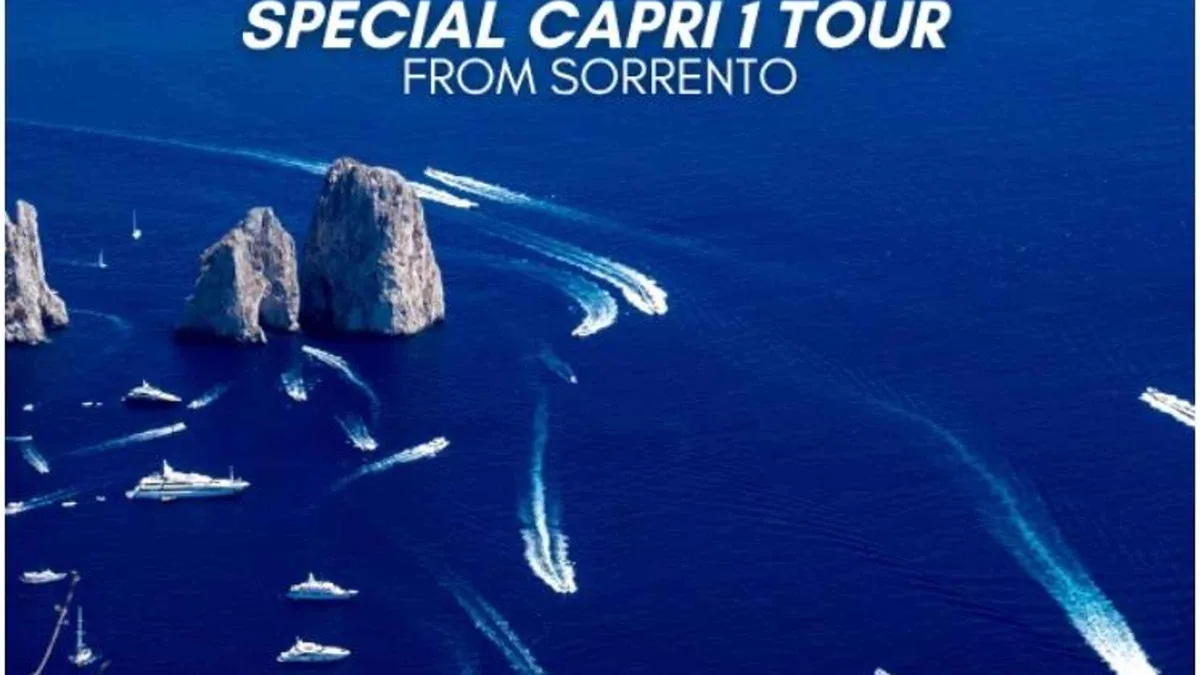 from $75
From Sorrento: Capri Boat Tour with Free Time on the Island
The budget-shaped option: crossing and circuit of the island with free time ashore in Capri town. Larger boat, fewer frills.
Check Availability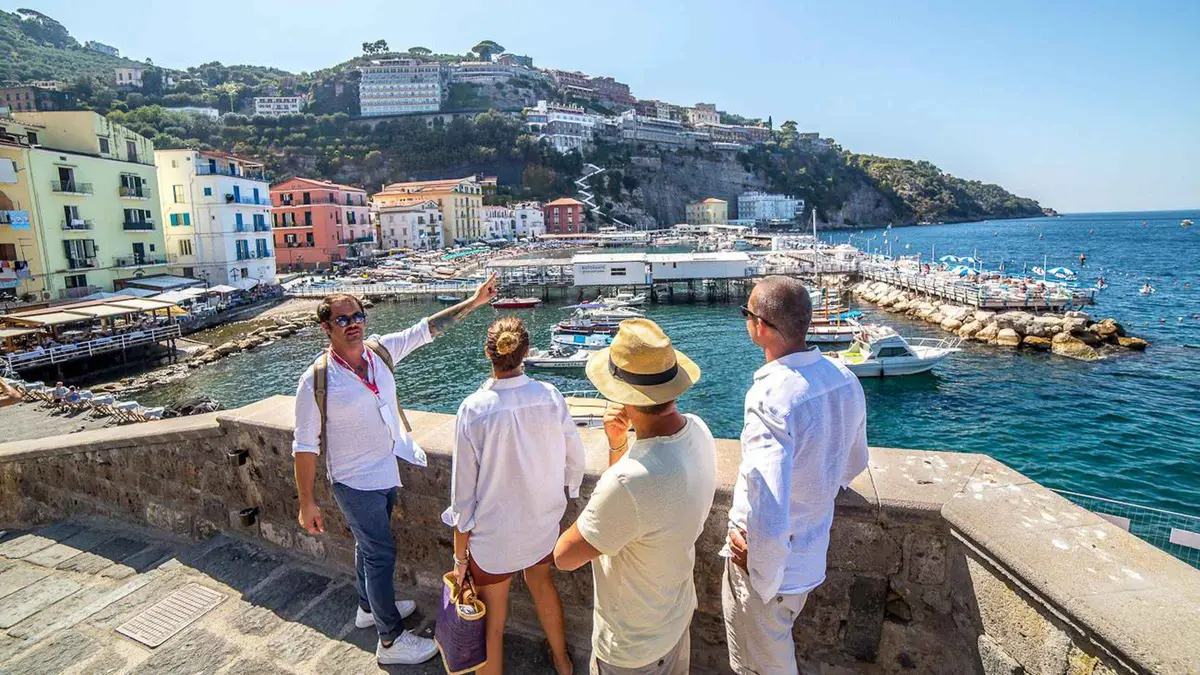 from $57
Sorrento: Walking Tour with Local Guide
A 2.5-hour private orientation walk with a local guide — the first-morning option.
Check AvailabilityPrices, ratings and details are the platform's own, checked in Q3 2026; dollar figures are the listed prices — the platform bills in your account's currency.
Where the date decision goes next
The three pages that turn a chosen month into a plan: the season-bound sea day, the year-round town day and the excursion calendar.
Capri ferry
The 08:30 first crossing, the $25.50 (€22) fare, the $5.80 (€5) landing fee and the 17:45 last return that end the island day at every time of year it runs.
The season-bound daySorrento in 1 day
The free loop works in every month the town is open, and the page reorders it for heat, rain and the winter museum gap.
The any-season dayDay trips
Which excursions run in which season, from the Pompeii train year-round to the coast boats that stop on 03 November.
The excursion calendarWhen to go to Sorrento: questions
What is the best month to visit Sorrento?
Late May or June for the full season at its calmest: average highs of 20.6°C (69°F) to 24.8°C (77°F), the rain at its lowest, the ferries at full strength and the school-holiday wave not yet started. September runs it close with the warmest sea, and October is the value pick if the town matters more than the islands.
Is September a good time to visit Sorrento?
It is the swimming month: a 24.4°C (76°F) average high, a 19.2°C (67°F) average low and the gulf at its warmest, with the full ferry calendar still running. The cost is the rain's return at 101 mm, usually in rebuildable afternoon storms rather than all-day grey, and the cruise calendar still runs at near-summer size, so the port area stays busy.
Is Sorrento busy in summer?
Yes, and August is the peak of it. The heat peaks too, at a 28.0°C (82°F) average high with nights at 22.3°C (72°F), but the queues are the real cost: the ferry lines to Capri form before the offices open, the first 08:30 crossing books solid, and the 17:45 return is the day's crush. Sorrento publishes no official monthly visitor counts; the pattern is read from the ship schedules and the operators' peak pricing.
What is the rainiest month in Sorrento?
November, by a clear margin: 199 mm on 14.3 rainy days in the thirty-year average, ahead of December at 163 mm and January at 141 mm. The rain falls as storms rather than steady drizzle, so a November week can still hold bright days, but any November booking should carry an indoor plan, and the town's best one, the Correale, does not reopen until 2 April.
When does the ferry season to the coast end?
The NLG routes to Positano and along the Amalfi Coast run from 01 April to 03 November 2026, and after that date the coastal sea routes stop until April. The Naples line keeps a reduced winter calendar, and the trains to Pompeii and Naples run all year, so the last days of the coast season are the best-value water days of the autumn.
Does Sorrento repay a visit in winter?
For the town, yes: the climate is mild for the season with 12.1°C (54°F) to 14.1°C (57°F) average highs, hotels price at their year's low, and the squares run on resident time. The calendar closes the coastal ferries entirely and the Correale from 6 January to 2 April, so a winter week leans on the free loop and a Pompeii day, which is winter's best excursion.
How does the Campania Express suspension affect autumn arrivals?
From 1 October 2026 the premium train is suspended until further notice, so an autumn arrival uses the Circumvesuviana at $6.26 (€5.40) from Napoli Garibaldi, about seventy minutes, or the NLG ferry at $21.40 (€18.50) from Molo Beverello on its reduced calendar. The route survives; only the premium seat goes, and the arrival comparison carries the full decision.
Best Time To Visit on film
Three walk-throughs verified on YouTube: what the place actually looks like before you book anything.
Sorrento or Positano or Amalfi: Where to Stay on the Amalfi Coast
Verified via oEmbed (The World Was Here First); matched query 'best time to visit sorrento'.
Video: The World Was Here FirstSORRENTO 3 DAY TRAVEL ITINERARY 2026: Amalfi, Positano, Pompeii & More!
Verified via oEmbed (NALBA TRAVELS); matched query 'best time to visit sorrento'.
Video: NALBA TRAVELSWhere to Stay On the Amalfi Coast? 4 Best Areas & Towns 🇮🇹
Verified via oEmbed (Destination Well Known); matched query 'best time to visit sorrento'.
Video: Destination Well KnownVideos load from YouTube only when you press play.
Reviewed Q3 2026 (July–September 2026); next review Q4 2026. Prices, hours and terms are set by the venue or operator and confirmed at checkout.
We may earn a commission if you book through one of our links, at no extra cost to you. Full affiliate disclosure