 Sorrento City Guidebook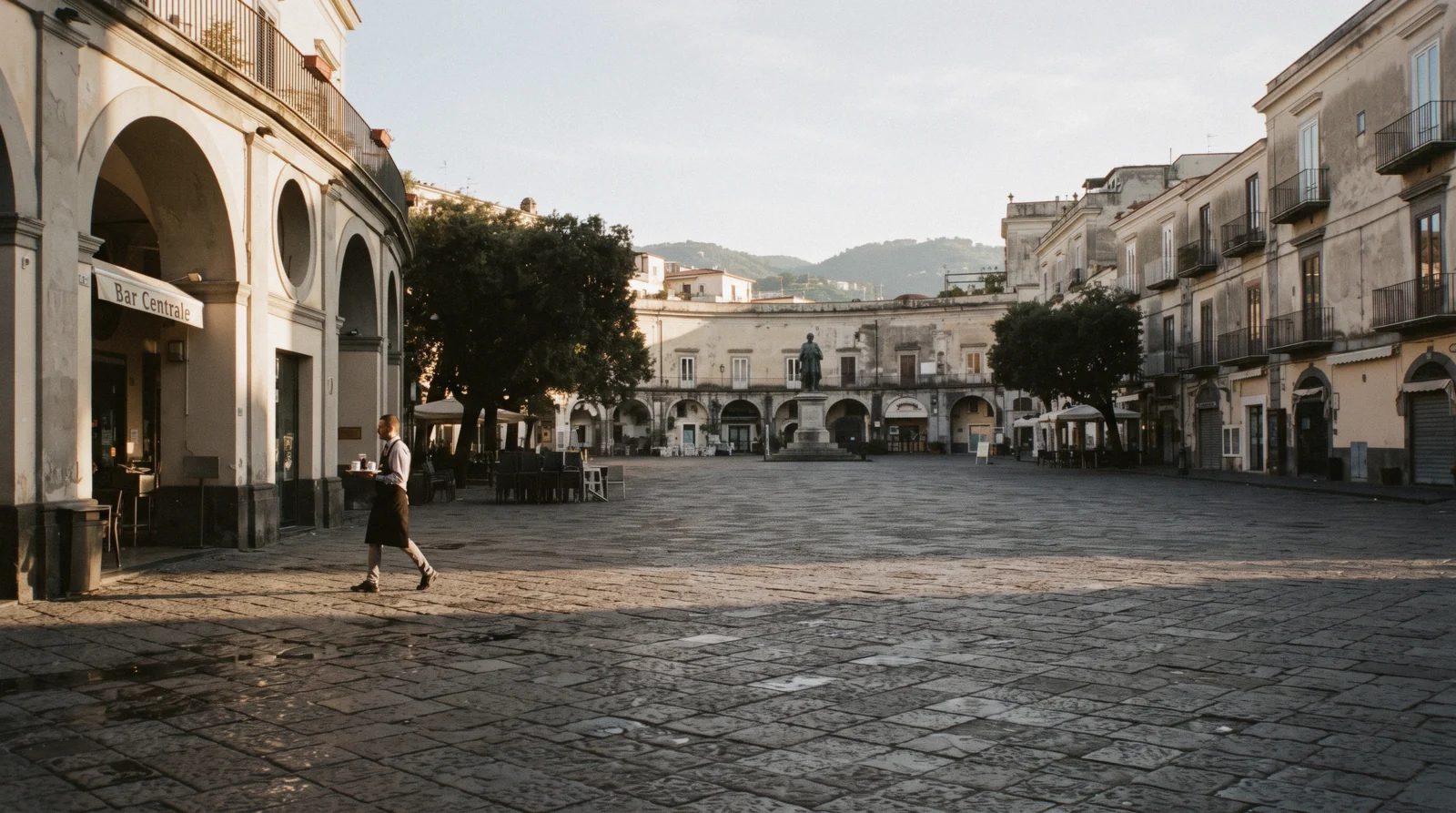
Sorrento in 1 day: the walkable town, stop by stop
One day in Sorrento is enough for the town, and this page is the honest version of that day: every stop within walking distance, every sight on the main route free, lunch at the fishing harbour, and the one paid museum slotted where it can be skipped without breaking the plan. Sorrento in 1 day is a walking itinerary, not a checklist; the town rewards sequence, and the sequence below runs ahead of the disembarkation crowds, down to the water for lunch, and back up to the cliff edge for the sunset. Costs are printed where they exist and left unstated where nobody publishes them.
Quick answer The route in one paragraph, what it costs and what to skip
Sorrento in one day: start at Piazza Tasso before the crowds, take the gorge view, then run the free loop of the old town, the Basilica di Sant'Antonino, the Duomo and the Sedile Dominova, the cloister of San Francesco and the Villa Comunale terrace. Lunch at Marina Grande, the fishing harbour, about ten minutes downhill. Spend the afternoon at the Correale museum if it is open ($17.39 (€15), closed Mondays), and end with the sunset from the Villa Comunale. Nothing needs booking.
Key takeaways
- The whole main route is free; the only ticket on the day is the Correale museum, which closes every Monday and from 6 January to 2 April
- If you want the town decoded rather than walked, a guided orientation walk covers the same ground in one loop with the stories attached
- One day is enough for Sorrento the town, not for the coast; the two-day plan adds the first ferry, and the three-day plan adds Pompeii
How the day is built
The day is built on one geographic fact: Sorrento's sightseeing is a flat plateau the size of a village, and the sea is always downhill. Everything worth seeing on a one-day visit sits inside a loop of roughly two kilometres, so the plan sequences the free sights in the order that beats the crowds rather than the order a map would suggest.
The morning belongs to the centre, and the sequence matters. The disembarkation wave from Naples trains and coast buses hits Piazza Tasso from about 10:00, so the route runs the square and the gorge parapet first, then dives into the lanes where the crowds thin naturally: the Basilica di Sant'Antonino, the Duomo, the Sedile Dominova loggia, and the Chiostro di San Francesco at the quiet west end. The Villa Comunale terrace comes last in the loop because it is on the way down to lunch, and its view is better saved for the return anyway.
The middle of the day belongs to the water. Marina Grande, the fishing harbour, is ten minutes downhill from the terrace, and the plan eats lunch there because the harbour is the one place in town where the meal and the sight are the same thing. The afternoon has two shapes: the Correale museum, the town's one paid collection, when it is open, or the port and beach hour when it is not, which is every Monday of the year and the whole stretch from 6 January to 2 April.
The evening returns to the cliff edge. The sunset from the Villa Comunale is the town's free spectacle, the lanes around the Sedile Dominova hold the aperitivo hour, and dinner in the old town finishes a day that never needed a bus, a ticket desk or a timetable until the very last train home. Walk times in the stop cards are our estimates from the verified GPS pins; none of them is longer than twenty-five minutes, and most are under five.
What the day costs
The honest budget line of this itinerary is close to zero, and the parts that cost money are the parts nobody publishes. Every sight on the main route is free public ground or a free church. The one paid stop is the Correale museum, $17.39 (€15) at the standard rate, halved for students and FAI members at $8.69 (€7.50). Lunch at Marina Grande is whatever the fish restaurants print on their door menus; no official price list exists for any of them, so the plan prints no number and sends you to the door check that Italian law requires the menu to satisfy anyway.
Transport depends on where the day starts. From Naples, the Circumvesuviana train to Sorrento is $6.26 (€5.40) each way on the fare guides we read, about seventy minutes each way; arriving by ferry from Naples or by cruise changes nothing inside this plan, because the day never uses a vehicle between stops. The Campania Express premium train, $17.39 (€15) one-way, is suspended from 1 October 2026, so autumn arrivals plan around the ordinary Circumvesuviana.
The table below is the whole day's money, computed from the sources named in each row; where a figure is not published anywhere official, the row says so instead of inventing one.
Two adults running the full route with the museum and a harbour lunch should plan the day around the museum ticket plus the meal; everything else on the list is $0.
| Line of the day | Cost | Source of the figure |
|---|---|---|
| All sights on the main loop | $0 | Public squares, free churches and the free viewpoint; checked on the free things to do list |
| Museo Correale, optional | $17.39 (€15); reduced $8.69 (€7.50) | Official museum shop, read 12 September 2026 |
| Lunch at Marina Grande | Not stated; no official price list exists | The harbour restaurants print menus at the door; review-site figures are snapshots, not quotes |
| Circumvesuviana from Naples, each way | $6.26 (€5.40) | 2026 fare guides bundled in the transport research, one source conflict noted |
| City tourist tax | $3.48 to $5.80 (€3 to €5) per person per night | Council tariff notice; charged by your hotel, not by the day |
The day, stop by stop
Nine stops, one loop, about six kilometres on foot with the harbour descent in the middle. Times are the pace that beats the crowds, walk minutes are our estimates from the verified pins, and every cost is printed or declared unstated.
-
Piazza Tasso
FreeStart at the town's zero point while the buses are still unloading: the Sant'Antonino statue mid-square, the Tasso statue on the Corso Italia corner, the yellow Carmine church closing the east end. Fifteen minutes is generous. The square fills with day-trippers from about 10:00, which is why the itinerary spends the early light here and not the midday heat.
The monuments are read in one circuit of the square; the coffee is better saved for the lanes.
Orientation matters more than monuments here: the square tells you where everything is. Corso Italia runs east to the station, Via San Cesareo begins the old town at the west corner, Via Fuorimura dips north past the gorge towards the port, and the descent to Marina Piccola leaves on the north side. Two minutes spent reading the square saves ten spent retracing steps later.
walk 2 min to next
-
Vallone dei Mulini viewpoint
FreeTwo minutes north, the parapet where Via Fuorimura dips off the square drops straight into the gorge of the mills: the ruined mill wrapped in ferns, twenty metres down. The railing clears out by 09:30, so the photograph belongs to you now rather than at sunset with fifty phones beside you.
No access exists to the floor, and the fence is the visit working as designed.
If the light is kind, look for the two textures the postcards flatten: the stone of the mill facade, dry and pale, and the fern layer over it, wet and black-green. The gorge's microclimate keeps that contrast alive all year, and the morning is when the sun reaches far enough down to show it.
walk 4 min to next
-
Basilica di Sant'Antonino
FreeThe patron saint's own church, four minutes north-west across the lights. Inside: the crypt where the town's devotion actually happens, and in the porch the whale bones that the saint is said to have calmed. Ten quiet minutes; the basilica keeps no published clock hours, so it is never a waiting stop.
Dress as you would for a working church, because that is what it is.
The saint is the reason the town exists where it does: Sant'Antonino is credited with saving Sorrento from sea raids and from plague, and the crypt below the altar is where the town still leaves its letters of petition. The bones in the porch, the whale ribs, belong to that legend of a whale beached and calmed.
walk 4 min to next
-
Sorrento Cathedral
FreeSouth through the lanes to the Duomo, the cathedral of Santi Filippo e Giacomo: painted central nave, marble bishop's throne, Romanesque bell tower over the lane. The visit is fifteen minutes and free; the panel of majolica between the columns is the detail people miss.
Visitor-guide hours run roughly 08:00 to 12:30 and 16:30 to 20:30 with a midday riposo; no parish page publishes them, so treat the morning slot as the reliable one.
The building's oddity is the Strawberry-tree marble bishop's throne from the 12th century inside, and the Romanesque bell tower outside, standing over the lane like a separate monument. The painted ceiling runs the length of the nave in blues and golds; the midday riposo closes it, so the morning slot in this plan is the reliable one.
walk 2 min to next
-
Sedile Dominova
FreeTwo minutes north-west, the 16th-century loggia where the nobility governed in public and the workers' society has met since 1877. The arches, the majolica dome, the corner lozenges and the Latin plaque about William Waldorf Astor's 25,000 francs are all read from the street in ten minutes.
It is the easiest stop in town to walk past; aim for the fountain square and the dome.
The fountain on the square gives the place its nickname, Largo dello Schizzariello, and the arches face two streets at once, which is how a government building advertises transparency. Stand at the corner and you can see the piperno arches, the tiled dome and the Angevin lilies without moving your feet.
walk 4 min to next
-
Chiostro di San Francesco
FreeFour minutes north-west through the lanes, the medieval cloister of the church of San Francesco: crossed arches, palm court, and the town's favourite wedding backdrop. The venue publishes no visitor clock hours, so the honest plan is to walk in and see; entry has traditionally been free.
Twenty minutes, and the cemetery-side arches frame the best unexpected sea gap in the centre.
The cloister's arches mix styles on purpose: the crossed vaults are medieval, the interlaced arches Arab-Norman in echo, and the whole court doubles as the town's open-air concert venue in summer. If a wedding is being set up, the arches on the sea side are the shot and the setting is the reason.
walk 2 min to next
-
Villa Comunale
FreeTwo minutes north, the public gardens on the cliff edge: palms, the lift down to Marina Piccola, and the wide view over the gulf to Vesuvius. This is the morning's first sea panorama and the place to clock the ferry port below; the true sunset return comes at the end of the day.
The gate keeps seasonal hours that nothing official publishes; the terrace outside the gate never closes.
The public lift at the terrace's edge drops to Marina Piccola for a small fare, and the benches under the palms are the town's default meeting point. If the morning has run long, this is the stop that flexes: the view is the same at 11:30 and at 12:15, and the lunch hour below absorbs the difference.
walk 10 min to next
-
Lunch at Marina Grande
Not stated; menus print at the doorTen minutes downhill from the villa gardens to the fishing harbour, the one quarter of town that the 19th-century hotels never reorganized: coloured boats, bathing ladders, fish restaurants on the water. Lunch here is the day's one spending decision; every venue prints its menu and prices at the door, and none publishes them online in a way we could verify.
Order the spaghetti alle vongole if the board's chalk says so, and leave time for the swim off the harbour beach if the season allows.
The harbour works as a sight even if you skip the meal: the boats, the bathing ladders and the church of Sant'Anna on the rock make the fifteen minutes of waterfront worth the descent on their own. The climb back up the stairs by the road is ten minutes and the bus stop near the beach saves the knees if the day is hot.
walk 25 min to next
-
Museo Correale (if open)
$17.39 (€15); reduced $8.69 (€7.50)The climb back up from the harbour takes about twenty-five minutes on foot, or ten by the bus toward the centre, to Via Correale 50: the 18th-century villa museum with 24 rooms, the Gentileschi, the inlay collection and the belvedere terrace over the gulf. Tuesday to Saturday it runs 09:30 to 17:30, Sunday only to 14:00.
The Monday trap lives here: the museum closes every Monday and from 6 January to 2 April. On those days the afternoon belongs to the port instead, and nothing else in the plan changes.
Inside, spend the time on two floors and the terrace rather than all four: the first floor's Gentileschi and Hall of Mirrors, the second's Posillipo landscapes of the gulf you have been looking at all day, then the garden avenue down to the belvedere. The museum's own shop sells the $17.39 (€15) ticket ahead; last admission is an hour before closing.
walk 13 min to next
-
Sunset at the Villa Comunale
FreeReturn to the cliff gardens for the day's free spectacle: the gulf going copper, Vesuvius black against it, the ferry lights coming on at Marina Piccola below. Thirteen minutes downhill-east from the museum, or straight up from the harbour if the afternoon went to the port.
Aperitivo is the lanes around the Sedile Dominova on the way to dinner; the old town's trattorie fill from 19:30, and the day ends where it began, on foot.
The sunset hour has a shape: the light leaves the square first, the gulf goes copper for about twenty minutes, and Vesuvius turns silhouette while the ferry lights come on at Marina Piccola below. The benches facing the bay are few, and the rail between the palms fills with the same idea, so arrive fifteen minutes before the light does.
Plan B: the cruise-port day, the rainy day and the Monday
Three variants break this itinerary, and each has a swap that saves it; the table compares them with the sources each swap relies on, checked on 12 September 2026.
| Variant | The swap | What you skip | Why it works |
|---|---|---|---|
| Cruise-port day | Run the loop in reverse: villa and cloister first, harbour lunch early, square last, and back aboard from the Marina Piccola lift | The Correale museum unless the port call is long | The ship's all-aboard clock outranks the museum; the cruise port guide covers the tender arithmetic |
| Rainy day | The gorge railing, the Duomo, the Correale's 24 indoor rooms and a cooking class cover the wet hours | The Villa Comunale sunset and the harbour swim | The whole route is public street and interiors; nothing on the wet version needs a boat or a cliff |
| Monday | Swap the Correale for the port hour at Marina Piccola and a longer old-town lunch | Only the museum; the church and squares keep no Monday rule | The Correale closes every Monday year-round, and the rest of the route is free public ground that never closes |
The museum closure and clock hours come from the official museum pages, read 12 September 2026; the cruise-port timing is the ship's, not the town's, so the port guide carries that arithmetic.
The cruise-port variant, stop by stop
Cruise passengers get Sorrento in the same town but a different clock: the tender docks at the pier under the cliff, the all-aboard time owns the afternoon, and every port call is a countdown. The cruise port guide carries the tender arithmetic; the variant below assumes a mid-sized call with about six usable hours ashore, and it runs the town loop in reverse so the farthest stop happens while energy is high.
The reversal is the whole trick. The one-day order above spends the morning in the centre and reaches the harbour at lunch; a port call starts at the harbour end instead, because the pier is a ten-minute walk from Marina Grande and the descent is the first leg anyway. Lunch moves earlier, the museum moves to its 09:30 opening if the day is not a Monday, and the square is saved for last, minutes from the tender, in case the boarding call comes early.
Two port-specific cautions. First, the lift from the Villa Comunale down to Marina Piccola is the fast way back to the pier area, but the port walk from the centre is 8 to 10 minutes on foot and downhill, which is the direction you want at the end of a day. Second, everything in the free loop keeps no ticket and no queue except the museum, so the variable to protect is never a booking but the all-aboard hour itself; the tour buses leaving the pier at midday are the traffic to walk around, not to join.
The rainy version, hour by hour
Rain in Sorrento is a schedule problem, not a cancelled day, and the fix is to sort the itinerary by roofs. The gorge railing works under an umbrella and is actually at its most atmospheric in wet weather, the Duomo and the basilica are roofs with art in them, and the Correale is the town's one full indoor collection; that is a morning with no gaps even in a steady downpour.
The wet-hour order: the Duomo at 09:00 when it opens, the Sedile Dominova's arches if the corner is dry enough to stand under, the Correale from 09:30 for two indoor hours including the Hall of Mirrors, then the lanes of Via San Cesareo, whose awnings and inlay shops make a workable wet walk. Lunch moves indoors and uphill, the trattorie off the main street rather than the harbour's waterfront tables.
The afternoon is where the town earns its keep in bad weather: a cooking class runs three hours under a roof with lunch built in, which makes it the single best rainy-afternoon booking in Sorrento. The sunset slot is written off without regret, and the evening continues as planned, because the lanes drain well and the bars do not close for weather. What the rain actually costs the one-day visit is the villa terrace and the harbour swim, and both are the cheapest things to owe a return trip.
Where the day goes wrong
Four failure modes account for almost every ruined one-day visit, and all four are schedule errors, not navigation errors.
The first is starting late. The centre's crowds are tidal and the tide comes in at 10:00 with the Naples trains and the coast coaches; a 11:00 arrival at Piazza Tasso spends the whole morning in the thick of it and the whole afternoon in queue-shaped regret. The fix is the 08:45 start in the stop cards, which costs one hotel breakfast and buys the empty square, the empty railing and the empty basilica.
The second is eating at the square. The tables ringing Piazza Tasso are the town's most photographed and its worst value for a proper meal; the harbour's fish restaurants are the plan's answer, and the door-menu check is the only price verification that exists, because no restaurant here publishes verifiable figures online. The third is the museum on a Monday, already named, which burns a climb up Via Correale for a locked door; the calendar check takes thirty seconds the night before.
The fourth is trying to fit Capri into the same day. The first ferry out leaves at 08:30 and the last return from the island is at 17:45, which is a whole second day, and the arithmetic of shoehorning it turns the town into a hallway. One day is enough for the town, not for the coast; the two-day plan exists precisely so that the ferry gets its own morning and this walk keeps its own afternoon.
Getting to Sorrento for the day
The day starts with an arrival, and the three arrivals behave differently enough to plan around. By train from Naples, the Circumvesuviana leaves Napoli Garibaldi's lower level roughly every half hour, takes about seventy minutes to Sorrento at $6.26 (€5.40) each way, and empties you at the top of Corso Italia, a five-minute flat walk from the first stop on this route. The 08:45 start in the stop cards assumes a train that lands by 08:30, which means the 07:10 to 07:30 departures from Naples.
By ferry from Naples or Positano, you arrive at Marina Piccola below the cliffs, and the route meets you in reverse: the Villa Comunale is the climb's first reward, ten minutes up the stairs or one small lift fare. Ferry arrivals in summer run later than the plan's start, so the honest adjustment is to run the loop backwards, harbour lunch first, and accept the square at its busiest.
By cruise tender, everything in the arrival paragraph doubles: the cruise port guide owns the tender-to-town arithmetic, and the variant section below reorders the day around the all-aboard clock. By car, the honest advice is not to: the centre is closed to through traffic, the garages sit on the edge, and the parking page exists because the walk from any of them is 10 to 15 minutes. The full arrival picture, airport included, is the Naples to Sorrento page's job; this day only needs the last mile, and the last mile is a walk.
The one day in each season
The route is the same twelve months a year, but the day changes shape with the season more than any itinerary on this site.
In summer, the day starts earlier and stops earlier: the 08:45 start becomes 08:00, the harbour lunch shades into the long midday, and the swim off the Marina Grande beach earns its hour. The Correale's rooms are the air-conditioned refuge between 14:00 and 16:00, and the sunset slot is genuinely cool again after 19:00. The costs do not change; the queues do, and the tour buses at the gorge railing between 10:00 and 12:00 are the only real crowd on the route.
In the shoulder months of May, June and late September, the plan runs exactly as printed: the museum's hours are their full selves, the sea is warm enough for the harbour swim, and the sunset sits at a civilised hour. This is the version of the day the stop cards describe.
In winter, the day is the town's own: the Correale is closed from 6 January to 2 April, so the afternoon museum slot becomes the port walk at Marina Piccola or the second pass through the lanes, and the daylight ends the villa's sunset before 17:00. What winter adds is the town to itself: the squares belong to residents, the cafes run on local hours, and the Christmas stretch lights the square the way the summer cannot. The free-loop logic of this itinerary was built for exactly that season, because nothing on the main route closes for winter at all.
Pacing the day in the heat
The one physical fact of a Sorrento day in summer is that the town is a plateau with two descents, and the descents are cheap while the climbs are not. The route's only serious climb is the return from Marina Grande, twenty-five minutes uphill to Via Correale or ten by the bus toward the centre, and the plan schedules it at 14:30 in the worst of the heat deliberately, because the museum at the top is air-conditioned.
The pacing rules that hold in July and August: water at every stop, because the fountains in the centre run warm but reliable; the gorge railing before 09:00, because the sun reaches the ravine floor late and the railing has no shade at all; the harbour hour at midday, because the sea breeze runs up the port valley and nowhere else; and the villa terrace after 17:00, when the benches under the palms are the cool half of the square.
Two small pieces of kit double the day's comfort: a hat that survives wind on the cliff edge, and shoes that survive the harbour stairs, which are steep and polished by a century of feet. The swim stop is the reset button; a wet shirt on the climb back is the difference between a climb and an ordeal, and the town's bars sell cold bottles at every corner without pretending otherwise.
Tours that fit a one-day visit
The day above is deliberately free and self-guided; the honest upgrades are the guided walks that compress the same ground with a storyteller. Every card links to the operator's own page, where the date calendar shows live availability. Prices are the listed USD figures checked on 12 September 2026.
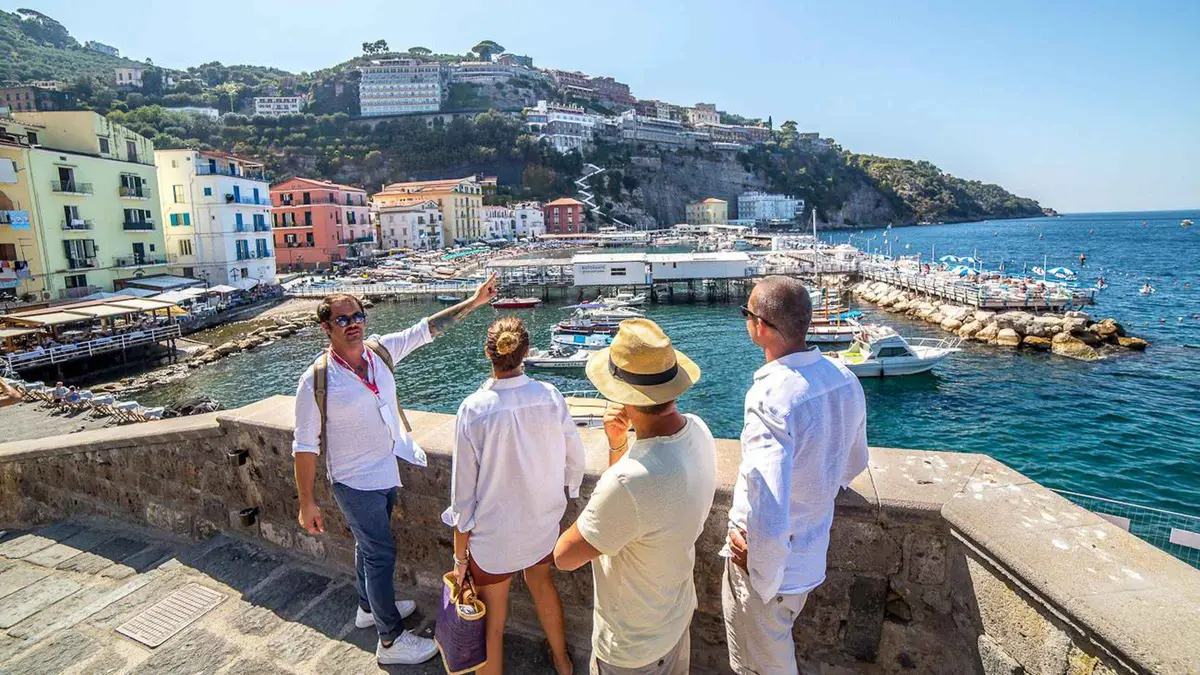 from $57
Sorrento: Walking Tour with Local Guide
A 2.5-hour private orientation walk with a local guide — the first-morning option.
Check Availability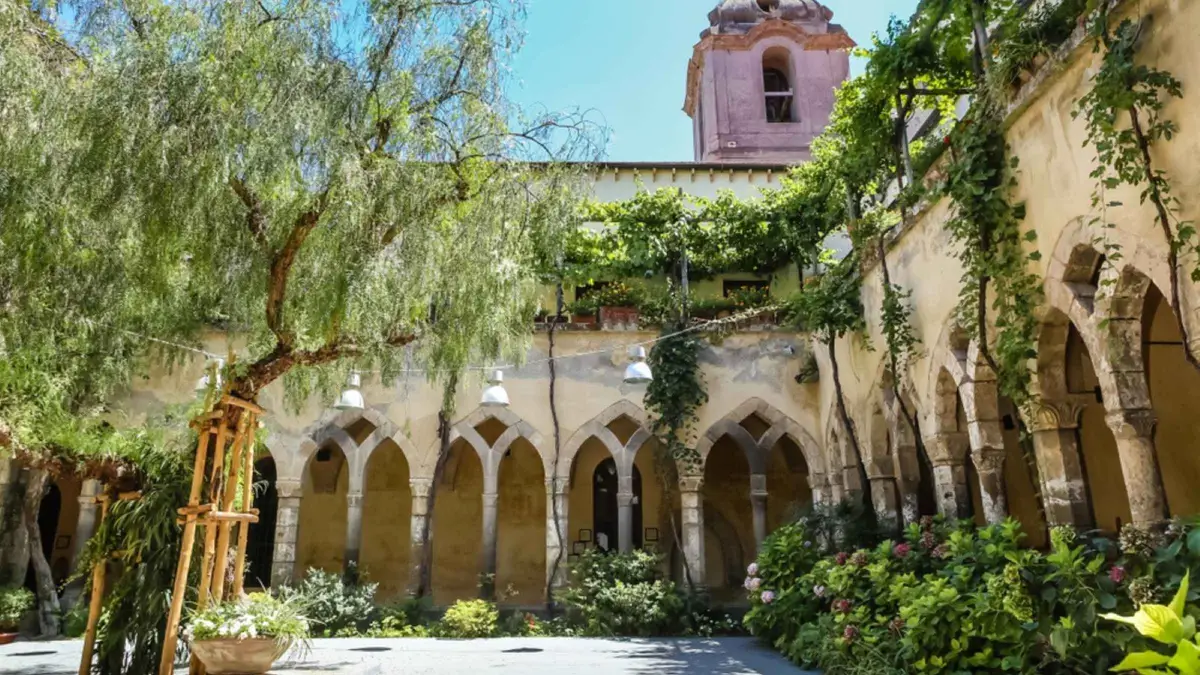 from $41
Sorrento: Walking Tour with Olive Oil and Limoncello Tasting
A two-hour private walk through the old town with olive oil and limoncello tasting stops.
Check Availability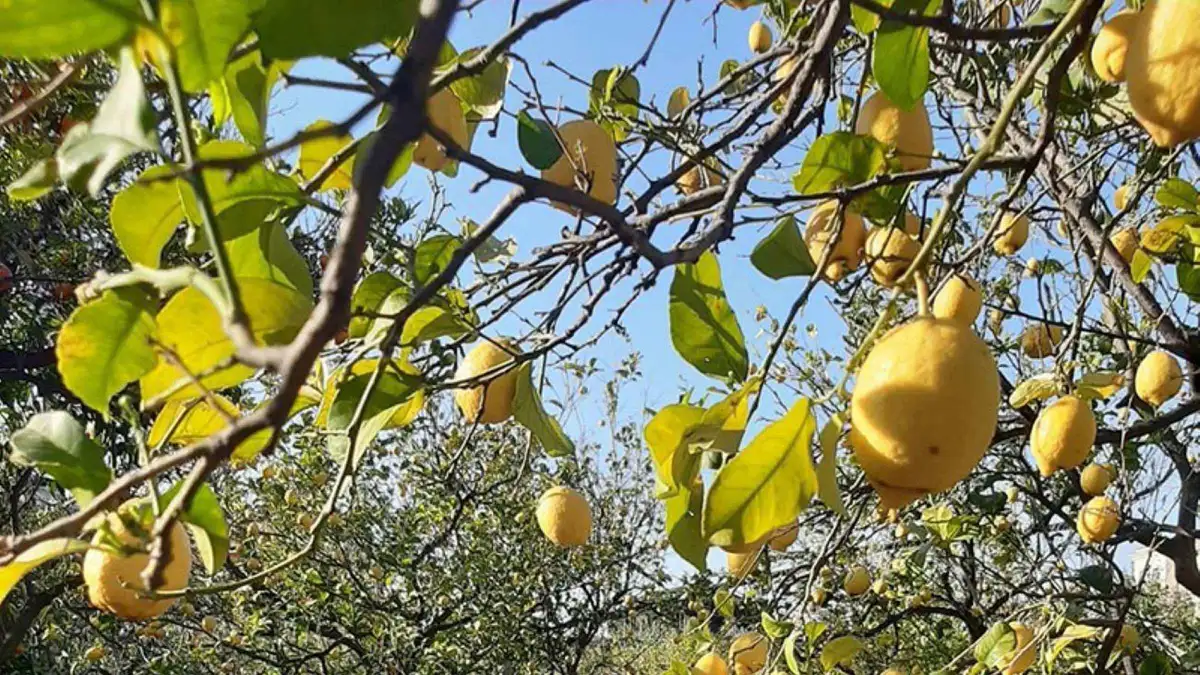 from $93
Sorrento Experience: Heritage Walk, Sea Views & Lemon Tour
A three-hour small-group heritage walk that ends at a lemon grove above the town.
Check AvailabilityPrices, ratings and details are the platform's own, checked in Q3 2026; dollar figures are the listed prices — the platform bills in your account's currency.
Eating the day: the harbour and the lanes
The day's eating splits into three meals, and none of them has a published price anywhere official, so this section names the rules rather than the figures.
Breakfast is a standing affair and cheap by design: a cornetto and a cappuccino at the counter of any bar on the way to the square costs a fraction of the table price for the identical items, and the difference is the first lesson in Italian coffee economics. The tables ringing Piazza Tasso are the town's most photographed and its least good value; the same coffee two lanes inward, in the old town, drops sharply.
Lunch is the harbour, as the stop cards say, and the door-menu rule is the only verification that exists: every venue prints its menu with prices at the entrance, and the honest check takes ten seconds. The fish restaurants of Marina Grande are the plan's midday anchor; order from the day's chalk board rather than the laminated card when there is a difference, because the chalk is what came off the boats.
Dinner is the old town, and the aperitivo hour is the bridge: from about 18:30 the lanes around the Sedile Dominova and up Via San Cesareo fill with tables, olives and chips arrive unasked, and a drink becomes a light meal if you let it. The full comparison of the eating streets, from the sit-down trattorie to the street food, is the where to eat page's job; the what to eat page covers the dishes worth ordering, and the gelato rule survives every budget: the good places display steel tins, not neon heaps. When the town part of the plan is settled, the Sorrento city guide front page keeps the rest of the site one click away.
The one-day route on a map
The pins are the day's stops in order, using the site's verified GPS coordinates; the walk minutes between them are our estimates and all of it is walkable.
Nearby: after one day, where the trip goes next
One day is the town; the plans that follow add the water and the volcano, each with the same stop-by-stop format.
Sorrento in 2 days
Day one is this walk with the museum slotted properly; day two runs the first ferry out to Capri, $25.50 (€22) each way plus the island's landing fee, and back on the 17:45.
The plan that adds the first ferrySorrento in 3 days
The three-day version builds the town day in, the archaeology day out to Pompeii on the Circumvesuviana, and the island or the coast last.
The plan that adds PompeiiCruise port guide
The tender-to-town arithmetic, the reverse order of this route, and the timing rules that get you back aboard with margin.
If the one day is a port callOne day in Sorrento: questions
Is one day in Sorrento enough?
For the town, yes: the whole route on this page is a two-kilometre loop that fits comfortably between breakfast and dinner. For the coast and the islands, no; the ferry day and the Pompeii day are separate plans, which is exactly how the two-day and three-day itineraries split them. Is the town worth visiting for a day on this evidence? Comfortably: the route below covers every headline sight in six kilometres on foot.
What should I do in Sorrento in one day?
The sequence on this page: Piazza Tasso and the gorge view early, the free church and loggia loop of the old town, the cloister, the cliff gardens, lunch at Marina Grande, and the Correale museum in the afternoon if it is open. Nothing on the route needs a ticket except the museum.
Can Sorrento be visited in one day from Naples?
Yes, and it is a standard trip: the Circumvesuviana runs about seventy minutes each way at $6.26 (€5.40) a ride. Take a train that lands before 09:00, keep the loop to the free sights, and leave margin for the 70-minute ride back; the last trains thin out late in the evening.
What can you do in Sorrento for free in a day?
Almost the entire route: the square and its statues, the gorge parapet, the basilica, the cathedral, the Sedile Dominova, the cloister, the Villa Comunale and the harbour. The free things to do in Sorrento list runs the same ground with the closures named.
Is Sorrento walkable in one day?
Completely: the main loop is about six kilometres including the harbour descent, and no single leg exceeds twenty-five minutes. The only climb worth a bus is the return from Marina Grande to Via Correale, and even that is a twenty-five minute uphill walk.
Should I visit the Correale museum with only one day?
If the day is dry and it is not a Monday, yes: $17.39 (€15) for the town's only paid collection and its terrace over the gulf is the day's single best-value ticket. If it is a Monday, or between 6 January and 2 April, the museum is closed and the plan runs on free sights without losing anything else.
Where should I eat lunch on a one-day visit?
At Marina Grande, the fishing harbour, which the itinerary reaches at the natural hunger hour: fish restaurants on the water, menus printed at the door because no verifiable price list exists online. Reserve nothing at midday in shoulder season; in August, arrive at 12:15 or expect the first row of tables to be gone.
What happens if it rains on my one day in Sorrento?
The route bends rather than breaks: the gorge railing, the Duomo, the Correale's 24 indoor rooms and a cooking class cover the wet hours, and the plan-B table above swaps the cliff and harbour stops without touching the morning loop. Bring the umbrella; the lanes drain well.
Can you swim during a one-day visit to Sorrento?
Yes, at the small beach at Marina Grande beside the harbour, which the itinerary reaches at lunch; an hour's swim fits before the climb back up. For the equipped lidos and the full beach rundown, the beaches in Sorrento page carries the options and the seasons.
Do you need to book anything for a one-day visit?
Nothing is required: every sight on the main route is free public ground or a free church, and even the Correale sells tickets at the door. The only booking that changes the day is a guided walk, which can be cancelled free up to 24 hours before if the weather turns.
Where do you leave luggage during a one-day visit?
The station area and the port hold the practical options, and the realistic choice depends on whether the day starts by train or by boat; the getting around page compares them. The centre itself has no left-luggage desk, so plan the loop around the storage, not the other way round.
Can a one-day visit run in reverse, from the harbour up?
Yes, and it is the port-call version of this plan: Marina Grande first, the villa and cloister mid-morning, and the square last because it sits minutes from the pier. The order trades the empty morning square for the arrival geography; nothing else in the route changes.
Is the one-day route different on a Sunday?
Only at the museum: the Correale closes at 14:00 on Sundays against 17:30 on weekdays, so the 15:00 museum slot dies and the plan swaps in the port walk or an early climb. The churches hold their services in the morning, and visits fit around them; the squares and the viewpoint keep no calendar at all.
One day in Sorrento on film
Three walk-throughs verified on YouTube: what the place actually looks like before you book anything.
Top 10 Things to do in Sorrento, Italy - Travel Guide [4K]
Verified via oEmbed (ViaTravelers); matched query 'sorrento one day itinerary'.
Video: ViaTravelersSORRENTO 3 DAY TRAVEL ITINERARY 2026: Amalfi, Positano, Pompeii & More!
Verified via oEmbed (NALBA TRAVELS); matched query 'sorrento one day itinerary'.
Video: NALBA TRAVELSThe Amalfi Coast in One Day: A Perfect Itinerary
Verified via oEmbed (the tour guy); matched query 'sorrento one day itinerary'.
Video: the tour guyVideos load from YouTube only when you press play.
Reviewed Q3 2026 (July–September 2026); next review Q4 2026. Prices, hours and terms are set by the venue or operator and confirmed at checkout.
We may earn a commission if you book through one of our links, at no extra cost to you. Full affiliate disclosure