 Sorrento City Guidebook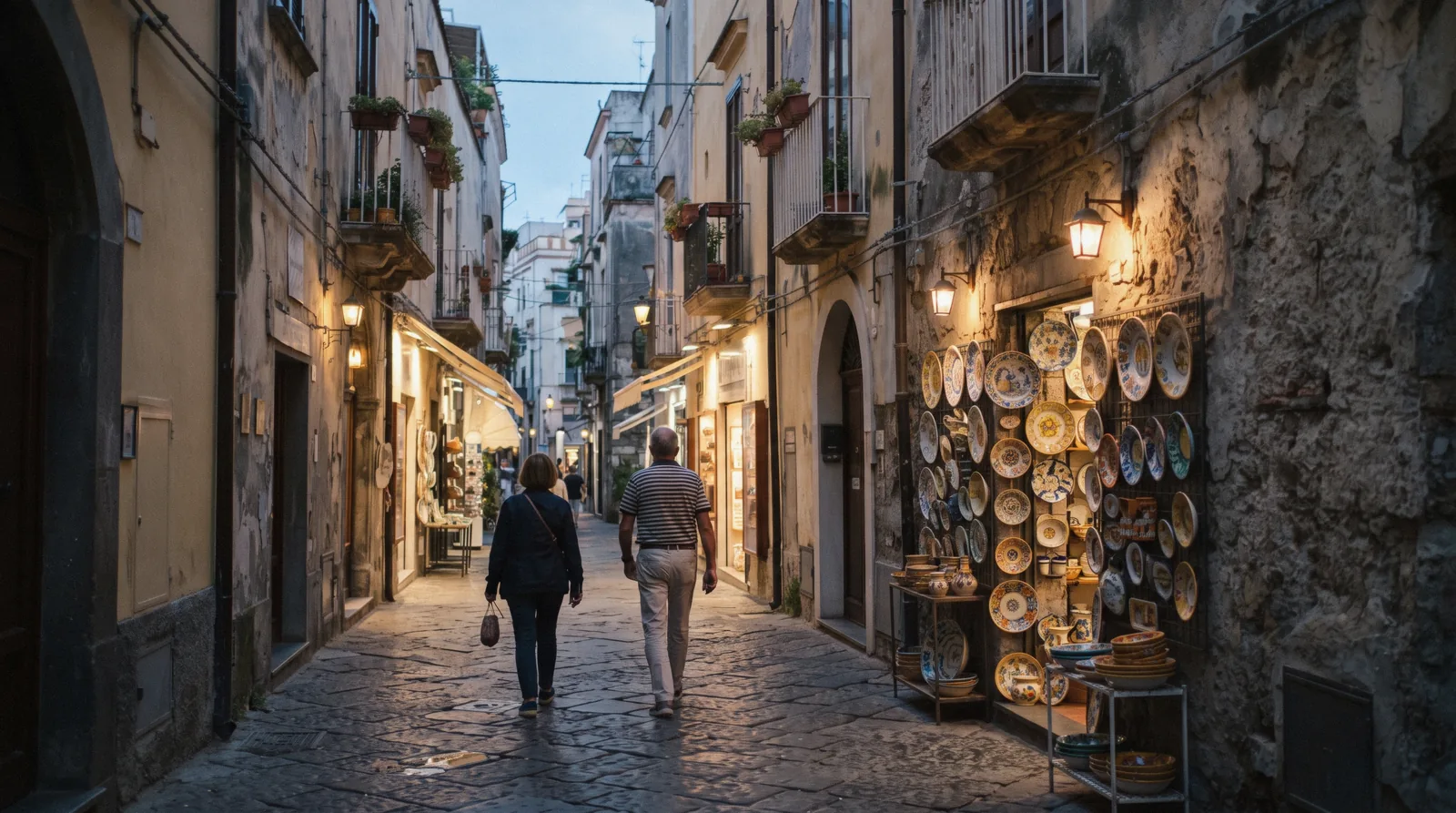
Sorrento Old Town: the Centro Storico, Lane by Lane
The sorrento old town is the grid of lanes wedged between the town's two squares, and it is the answer to the search engines' first question: yes, Sorrento has an old town, a centro storico whose street plan preserves the ancient city's arrangement, with Via San Cesareo as its spine. This page walks the quarter lane by lane, separates the shopping that is craft from the shopping that is import, points the eating toward the lanes rather than the squares, and times the evening passeggiata properly. The facts come from the encyclopedia record, the map data and the venues' own pages, read on 12 September 2026. The square at the old town's east gate has its own page at Piazza Tasso, and the medieval loggia on the corner has one at Sedile Dominova.
Quick answer Whether it exists, where it is, the spine street, how long it takes
Yes, Sorrento has an old town: the centro storico sits between Piazza Tasso and the Duomo quarter, minutes apart on foot, on a street grid that preserves the ancient town's arrangement. Via San Cesareo is the famous spine street, cobbled, closed to through traffic and lined with ceramics, limoncello and sandal shops. The whole quarter takes an hour to walk and an evening to enjoy properly.
Key takeaways
- The lane map pins the quarter's seven landmarks, and the Via San Cesareo walkthrough runs the spine street end to end
- If you want the quarter narrated, the walking tour with limoncello tasting at $41 listed is the cheapest way in, and the heritage walk is the longest
- The shopping section sorts the ceramics and marquetry that Sorrento is actually known for from the rest
The old town against the two streets that frame it, compared by character, traffic and what each is actually for. The character lines follow the encyclopedia record and our own walking of the grid, read on 12 September 2026.
| Street | Character | Traffic | What it is for |
|---|---|---|---|
| Via San Cesareo | The old town's spine: cobbled, arcaded in stretches, shopfronts and small hotels | Closed to through traffic; pedestrians and the occasional resident's scooter | The shopping-and-strolling hour; Sorrento's main shopping street in the encyclopedia's own words |
| Corso Italia | The modern spine: wider pavements, the town's grander shopfronts and cafes | The town's main east-west street; buses at the edges, heavy footfall | Errands, aperitivo and the walk between the station and the centre |
| The lanes between | Via Pietà and the cross-lanes: residential, stair-dark, laundry overhead | Foot traffic only | The shortcuts and the quiet photograph; where the quarter actually lives |
The grid's persistence is the encyclopedia's finding, that the arrangement of the modern streets preserves that of the ancient town; the lane names and the one-way rules are as walked on 12 September 2026.
Guided walks that start at the old town's door
Three cards that use the centro storico as their stage, from the tasting walk to the full heritage loop. Prices are the listed figures on 12 September 2026; the platform bills in your account currency.
 from $41
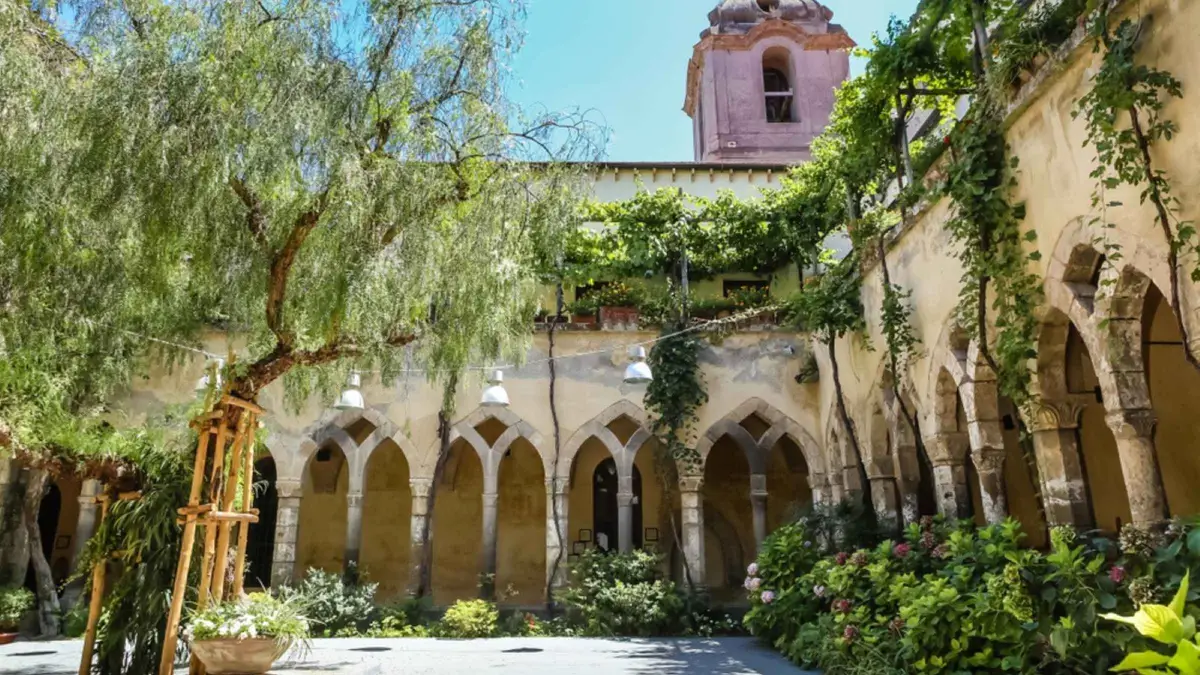
Sorrento: Walking Tour with Olive Oil and Limoncello Tasting
A two-hour private walk through the old town with olive oil and limoncello tasting stops.
Check Availability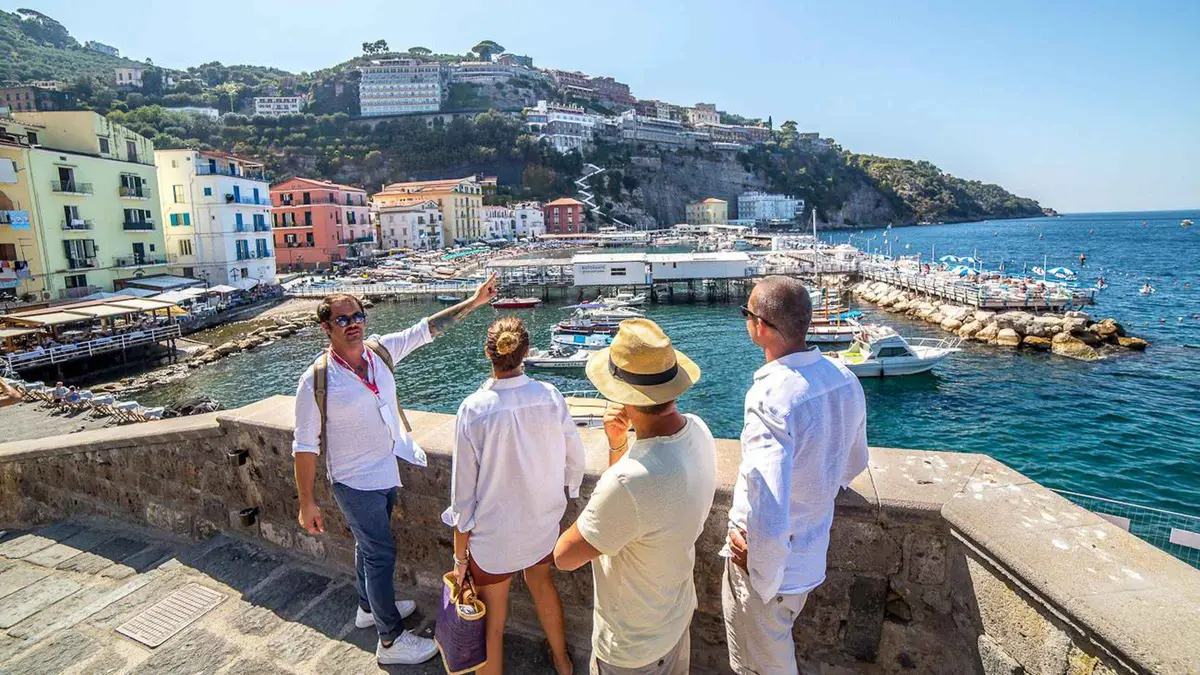 from $57
Sorrento: Walking Tour with Local Guide
A 2.5-hour private orientation walk with a local guide — the first-morning option.
Check Availability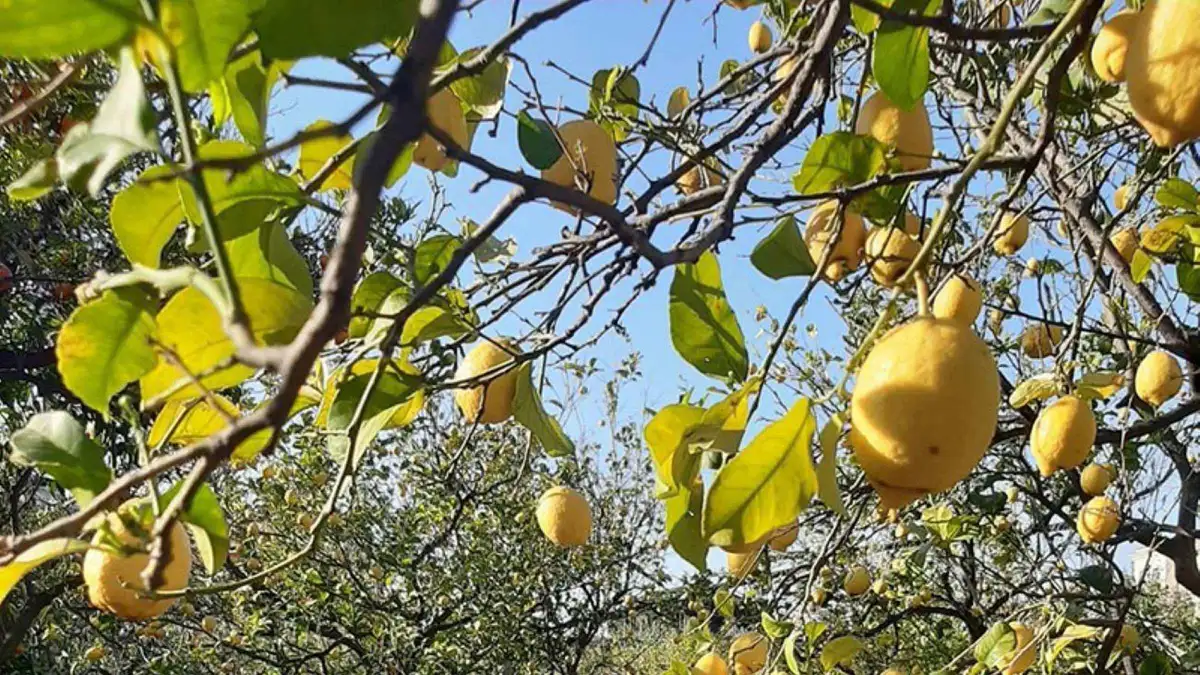 from $93
Sorrento Experience: Heritage Walk, Sea Views & Lemon Tour
A three-hour small-group heritage walk that ends at a lemon grove above the town.
Check AvailabilityPrices, ratings and details are the platform's own, checked in Q3 2026; dollar figures are the listed prices — the platform bills in your account's currency.
What 'old town' means in Sorrento
Is there an old town in Sorrento? The question deserves a sourced answer, because the town's modern face hides the grid it sits on.
Yes, and its antiquity is structural rather than staged: the encyclopedia's account records that the arrangement of Sorrento's modern streets preserves that of the ancient town, the Oscan and Roman Surrentum whose walls followed the same gorges the town still obeys. The quarter people call the centro storico is the block of that grid between the two squares, lanes running roughly parallel to and above the modern Corso Italia, stitched by cross-alleys and the medieval institutions layered on top: the Duomo quarter with its bell tower, the monasteries and the arches the lanes pass under. Sorrento became an archbishopric around 420 AD and weathered the medieval centuries as a coastal town the Lombards besieged in vain, which is why the quarter's churches outnumber its monuments and why the grid feels residential rather than museum-like.
- The grid is ancient: the modern streets preserve the ancient town's arrangement (the encyclopedia record)
- The institutions are medieval: an archbishopric from around 420 AD, churches and cloisters layered through the Middle Ages
- The walls are gone, the line remains: the town's defences followed the gorges, and the streets still obey that line
- The quarter is lived in: laundry, scooters, school runs; the old town here is a neighbourhood first
Via San Cesareo from end to end
The famous street, walked and described honestly: what it is, what it sells and where it starts and finishes. The lane's geometry follows the verified map point at 40.6261, 14.3743.
Via San Cesareo is what the search results mean by Sorrento's famous street, and the encyclopedia's own caption calls it the town's main shopping street. It runs as the old town's spine on the lane level, roughly parallel to and a block above Corso Italia, cobbled where the modern streets are paved, closed to through traffic, and lined with the three shops Sorrento sells: ceramics, limoncello, sandals. The lane runs downhill and east toward the cluster of squares where Sedile Dominova, the medieval loggia, stands at the corner, and the walk from the Duomo end to the squares is a few unhurried minutes, which is the street's honest scale: it is a strolling hour, not a hike.
- The surface: cobbled and narrow; the map point at 40.6261, 14.3743 marks the lane itself
- The shops: ceramics, limoncello, sandals and the souvenir row between them, with the workshops behind
- The ends: the Duomo quarter at one end, the Sedile and the square cluster at the other
- The rule of thumb: shopfronts face the spine, and the trattorie hide one lane deep
One honest note on the arches: the lanes pass under a handful of vaulted passages and gate remnants, and the popular habit of dating every arch to the Romans outruns the signage, which is thin to absent. What the record supports is the grid's persistence and the medieval layering of the churches and cloisters; what the signs do not do is date each stone for you, so walk the arches as texture rather than as a labelled monument trail.
Shopping: what is real, what is tourist
The three souvenirs Sorrento is known for, with the encyclopedia's list as the anchor and the honesty the shops themselves rarely volunteer.
The encyclopedia record names the town's craft identity plainly: Sorrento is widely known for its small ceramics, lacework and marquetry, the inlaid woodwork the peninsula's workshops have shipped for generations. To that historical trio the modern lanes add the fourth commodity, limoncello, and the fifth, sandals made while you wait. The shopping honesty rule for the old town is short: ceramics and marquetry carry the deepest local roots and the widest quality range, so buy them from workshops that name their own kiln or bench, taste limoncello before a bottle is bought, and treat the rest of the shelf as souvenirs in the ordinary sense.
No shop on these lanes publishes a price list online, which is this page's by-now-familiar gap, and the rule of haggling politely or walking on applies.
- Ceramics: the historical craft; look for painted marks and the workshop's own name
- Marquetry: the inlaid wood Sorrento shipped to the world; the music boxes and small pieces travel best
- Lacework: the third of the encyclopedia's trio; genuine pieces are tagged and scarce
- Limoncello: everywhere; taste before buying, and the tasting experiences teach the difference
- Sandals: made to measure in an hour on the spine street; agree the price before the bench starts
Eating in the old town
Where the quarter's food actually is, and why this page names no restaurant, following the site's sourcing rules.
The old town's food geography is one lane deep: the trattorie and the small restaurants sit off the spine, behind the shopfronts and around the Duomo quarter, while the squares at either end carry the bigger, viewier rooms. This page names no restaurant, because none of the venues in question publishes the facts our sourcing rules require, and a list from memory is not evidence; what the walking tells you is where to look, one lane off Via San Cesareo, at the hours the locals eat, which run late by northern standards. The priced ways to eat the quarter instead are the experiences: the pasta and tiramisu class in a sea-view kitchen and the lemon, olive oil and wine tasting both start from walkable addresses and publish their prices, which is more than the lane menus do.
Evening on the lanes
The passeggiata is the old town's best hour, and the timing is the whole trick. This is our walking judgement, timed from the quarter's rhythms rather than a published schedule.
The lanes change hands at about seven in the evening: the day-tripper crowd thins toward the water and the squares, the shop lights come on, and the quarter becomes the neighbourhood's own promenade, old men outside the bars, families walking the spine in both directions, the ceramics glowing under the shop lamps. The cruise hours decide the daytime crowd, and the ships' departures are visible from the cruise port page context, but the evening pattern holds regardless: after nine, the old town belongs to the people eating one lane deep. Our timed version of the evening: aperitivo at the squares while the light is still on the facades, the spine walked downhill after dinner after ten, and the arches photographed on the way back when the day crowds are a rumour.
The Sedile and the squares
The old town's public rooms, and the one medieval monument on its corner worth ten minutes of anyone's trip.
The quarter's squares are its living rooms, and the one monument that anchors them is Sedile Dominova, the medieval loggia on the corner where the lanes meet the square cluster, a vaulted open hall that once housed the nobility's seat and now watches the paseo it overlooks. The Duomo quarter at the old town's other end balances it: the cathedral with its bell tower and its painted interior keeps the church clock, and the basilica of the town's patron sits a square's width away at Sant'Antonino. Between the two ends, the quarter's smaller textures, the cloister up the hill at San Francesco, the deep gorge of the Vallone dei Mulini at the east gate, give the walk its variety.
Each of those has its own page, and the lanes are the stitches between them.
- Sedile Dominova: the medieval loggia on the square cluster; the old town's one unmissable courtyard
- The Duomo quarter: the cathedral's bell tower keeps the quarter's time
- San Francesco's cloister: ten minutes uphill through the lane; free and open
- The Vallone: the gorge at the east gate that explains why the town is a plateau at all
How much time to give the old town
Three routings through the quarter, from the between-sights stroll to the full evening, each with what it covers and what it skips. Times are our walking judgement; the quarter publishes no suggested visit length.
The table answers the planning question behind the search volume: how long the quarter actually takes, and what each version of the walk buys. All three start and finish at the same square, which is the old town's quiet advantage: it is a loop, not a route you can get wrong.
| Routing | Time | You see | You skip |
|---|---|---|---|
| The between-sights stroll | About 30 minutes | Via San Cesareo end to end, the loggia's arches from outside | The Duomo interior, the cloister, any shop longer than a look |
| The shopping hour | About 1 hour | The spine street properly, the ceramics and marquetry benches, a coffee in the square | The lanes one street deep, the evening version of the quarter |
| The full evening | 2 to 3 hours | Aperitivo at the squares, dinner one lane deep, the passeggiata after ten, the arches lit | Nothing; this is the version the quarter is built for |
Our one-sentence advice: give the old town the evening or give it thirty minutes, because the midday version, shops open, crowds thick, heat on the cobbles, is the quarter's weakest light and its busiest hour.
Sorrento old town map: the lanes and their landmarks
Seven pins for the quarter: the spine street, the loggia, the cathedral, the patron's basilica, the cloister, the gorge and the square where the grid meets the modern town. Coordinates are the verified points this site's own pages carry, checked 12 September 2026.
Coordinates are the verified GPS points this site's own pages and the map data carry; the lane geometry is as walked on 12 September 2026.
Next to the old town
The three pages that share the quarter's edges, from the square at its gate to the harbour below the lane's west end.
Piazza Tasso
The modern square where the old town begins, with the poet's statue and the gorge below it. See the Piazza Tasso page.
The east gateSedile Dominova
The medieval loggia on the square cluster, the quarter's one standing monument of its guild age. The loggia page owns it.
Two minutes from the spineMarina Grande
The harbour the lanes drain toward; dinner on the water after an evening in the quarter is the classic pairing. See the Marina Grande page.
10 minutes downhillSorrento old town questions
Is there an old town in Sorrento?
Yes: the centro storico is the lane grid between Piazza Tasso and the Duomo quarter, on streets that preserve the ancient town's arrangement, with the medieval churches layered over it. The what it means section carries the sourced version.
What is the famous street in Sorrento?
Via San Cesareo, the old town's spine: cobbled, closed to through traffic, lined with ceramics, limoncello and sandal shops, and called the town's main shopping street in the encyclopedia's own caption. The end-to-end walkthrough is in its section.
Where is the old town in Sorrento?
Between the two squares: the east edge sits at Piazza Tasso and the Duomo quarter anchors the west, minutes apart on foot, with Via San Cesareo running the middle. The lane map pins all seven landmarks.
Is Sorrento's old town worth visiting?
Yes, and it costs nothing: an hour for the spine street and the loggia, an evening for the quarter proper. If the group wants it narrated, the tasting walk at $41 listed is the cheapest guided version, and the comparison table sorts the lanes from the modern street.
What can you buy in Sorrento's old town?
The three crafts the town is known for are ceramics, lacework and marquetry, the inlaid woodwork, with limoncello and made-while-you-wait sandals as the modern additions. The honesty rules for each are in the shopping section.
Where do you eat in Sorrento's old town?
One lane deep from the spine, around the Duomo quarter, at the late hours the locals keep; this page names no restaurant because none publishes the facts our sourcing rules require. The priced alternatives, the cooking class and the tastings, are linked in the eating section.
How long do you need for Sorrento's old town?
An hour to walk it, an evening to know it: the spine street runs its course in minutes, the loggia and the Duomo quarter take another half hour, and the passeggiata after ten is the version worth staying for. The timing argument is in the evening section.
Where the old town fits in a day
A closing word on when the quarter earns its hour, because the old town is the day's bookends rather than its middle. When the town part of the plan is settled, the Sorrento city guide front page keeps the rest of the site one click away.
The old town works best as bookends: the one-day town route runs its squares and cloisters in the morning light and returns to the lanes after dinner, and the quarter is also the natural landing for the first evening of any trip, when the arrival day needs a walk that asks nothing of the legs. Sightseers should slot it between the viewpoints, because the Vallone and the cloister sit on its edges anyway, and shoppers should come with the evening's patience rather than the morning's list. One sentence to close on: the old town is Sorrento's memory, the one part of town the modern layers could not flatten, and it gives its best hour away free after ten.
Old Town Sorrento on film
Three walk-throughs verified on YouTube: what the place actually looks like before you book anything.
Walking Tour Sorrento Via San Cesareo Market Street 4K UHD #walkingtour #napoli #sorrento #street
Verified via oEmbed (Life Of Italy); matched query 'sorrento old town centro storico via san cesareo'.
Video: Life Of ItalySorrento Italy 4K Amalfi Coast Walk | From Marina Grande Beach to Bustling Via San Cesareo
Verified via oEmbed (PixelPulse Travels); matched query 'sorrento old town centro storico via san cesareo'.
Video: PixelPulse TravelsWalking Tour Naples Via Pignasecca - Street food - Market Evening Walk 4K UHD #walkingtour #napoli
Verified via oEmbed (Life Of Italy); matched query 'sorrento old town centro storico via san cesareo'.
Video: Life Of ItalyVideos load from YouTube only when you press play.
Reviewed Q3 2026 (July–September 2026); next review Q4 2026. Prices, hours and terms are set by the venue or operator and confirmed at checkout.
We may earn a commission if you book through one of our links, at no extra cost to you. Full affiliate disclosure